

Quick Answer: Best Vegetables to Grow in Wyoming
The best vegetables that can be grown in Wyoming are cool-season vegetables (radish, lettuce, beets, broccoli, cabbage, carrots, spinach, and turnip) and warm-season vegetables (beans, tomatoes, cucumbers, and sweet corn). The growing season for these vegetables is between the last and first frost date.
Are you wondering about suitable vegetables to grow in Wyoming?
Check out this guide that will provide you with a list of the best vegetables to grow in Wyoming’s short growing season.
Let us get started!
Best Vegetables to Grow in Wyoming
Wyoming has a semi-arid and continental climate.
It has a short growing season due to its relatively cool climate and early or late snow. So, it can be challenging to grow vegetables in these regions.
It is appropriate to choose the right vegetables to grow in these regions. Let us discuss the list of best vegetables that can be grown in Wyoming.
1. Radish

Fast-growing Annual Root Vegetable
Radish is a popular cool-season vegetable that is fast-growing and appropriate for Wyoming’s weather (Raphanus sativus).
Why Grow Radish?
Radish is popular in Wyoming as it germinates and matures quickly. It makes it an excellent beginner vegetable to try for new gardeners.
Maintenance And Care
Radishes can be planted about 12 to 18 inches apart in the early spring. Thin them about one to two inches apart.
You may plant them every 10 days for continuous harvest. It can often be attacked by flea beetles and small animals.
Check out this video for growing radish:
2. Lettuce

Lettuce (Lactuca sativa) from the Asteraceae family is a cool-season vegetable that can survive the light frost of Wyoming.
Why Grow Lettuce?
Many varieties of lettuce, including head, bibb, romaine, and leaf can survive Wyoming’s cool spring and fall months.
It matures quickly and allows succession planting.
Maintenance And Care
Plant lettuce varieties in rows about eight to 12 inches apart. Leaf lettuce can be interplanted between crops and make a good border crop.
Outer leaves can be harvested when they are five to six inches tall. The common pest problems are aphids, slugs, and snails.
Check out this video on growing lettuce in WY:
3. Asparagus

Easy-to-grow Perennial Vegetable
A popular perennial vegetable that can live for 10 to 25 years and thrive in Wyoming is asparagus (Asparagus officinalis).
Why Grow Asparagus?
Asparagus is one of the early spring crops that can be harvested in Wyoming. It will remain productive for many years giving bountiful spears.
Maintenance And Care
Asparagus crowns can be planted in a trench about six inches wide with a 15-18 inches spacing.
Harvest them after the second year of planting for one to three weeks.
One of the important pests is asparagus beetles.
The asparagus planting guide is covered here:
4. Beans

Common bean (Phaseolus vulgaris) includes many varieties of pods that can flourish in Wyoming weather.
Why Grow Beans?
Bush beans are popular in Wyoming as they grow and mature quickly. Also, they require little space and can be grown in containers.
Maintenance And Care
Green beans can be planted after the frost season in the spring. Bush beans can be sown two inches in rows with 24 to 30 inches spacing.
Harvest the beans after 50 to 60 days, depending on the maturity. It is susceptible to Mexican bean beetle, spider mites, and aphids.
Click this video for growing beans in Wyoming:
5. Beets

Beets (Beta vulgaris) are a root vegetable crop that can grow in the cool weather of Wyoming home gardens.
Why Grow Beets?
Beets are fast-growing vegetables that can tolerate cool temperatures and are grown in containers. All parts of the plant are edible and versatile.
Maintenance And Care
Plant beets about two weeks before the last killing frost in rows about 18 inches apart.
Harvest the young beets when the roots are small and tender. It is susceptible to black heart, root rot, and flea beetles.
You may grow this video to grow beets in a container:
6. Broccoli

A popular home garden vegetable that can be grown for both fresh use and freezing in Wyoming is broccoli (Brassica oleracea Italica).
Why Grow Broccoli?
Many varieties thrive in Wyoming that differ in compactness and a number of sprouting heads. It can be grown in containers to save space and protect from pests.
Maintenance And Care
Set broccoli in the early springs about 18 inches apart. Harvest the heads before the flowers open or show yellow color.
It is susceptible to cabbage worms, maggots, and aphids.
Check this video to grow broccoli from seeds:
7. Cabbage

Another cool-season leafy vegetable that is available in different colors and can be grown in Wyoming’s short-growing season is cabbage (Brassica oleracea).
Why Grow Cabbage?
Cabbage is relatively hardy that can withstand the temperatures of Wyoming. Also, it has a fast growth rate that can be grown in both spring and fall.
Maintenance And Care
Start the cabbage transplants about four to six weeks before planting outside. It requires a spacing of about 18 inches apart.
Harvest when the heads are firm and mature. You may make successive plantings for continuous harvests. The common pests are cabbage worms and maggots.
Check this video to grow cabbages:
8. Carrots

Another cold-tolerant crop that can be planted in different regions of Wyoming is carrots (Daucus carota).
Why Grow Carrots?
Many varieties of carrots that differ in colors, shapes, and sizes are better suited to the heavy soils in Wyoming. It provides a long period of harvest with increased sugar content and improved flavor.
Maintenance And Care
Carrots are planted in rows about 18 inches apart and require one to two inches spacing. It can also be grown in raised beds 10-12 inches deep.
It is prone to aster yellows and carrot rust flies.
Click this link to grow carrots from seeds to harvest:
9. Cucumber

Another popular vegetable that can be grown in the home garden in Wyoming is the cucumber (Cucumis sativus).
Why Grow Cucumber?
Both slicing and pickling varieties can be grown in many regions of Wyoming. It can be productive giving high yields throughout the growing season.
Maintenance And Care
Cucumber seeds can be planted in rows or hills with a spacing of four to six feet apart. Provide a trellis for vining types.
Harvest them after 50 to 70 days from planting. A few pests that can affect them are aphids, cucumber beetles, and whiteflies.
You may check this video for growing cucumbers in your garden:
10. Peas

Garden peas (Pisum sativum) are a frost-hardy annual vegetable that can be planted in the early spring of Wyoming.
Why Grow Peas?
Peas can tolerate the cool weather of Wyoming. Both short, bushy varieties and vining ones give continuous harvests throughout the growing season.
Maintenance And Care
Plant peas seeds about one inch apart in rows that are 18-24 inches apart. Harvest them often when the pods are flat. Pea weevils, aphids, and other insects can attack pea plants.
Here is a video on growing peas:
11. Rhubarb
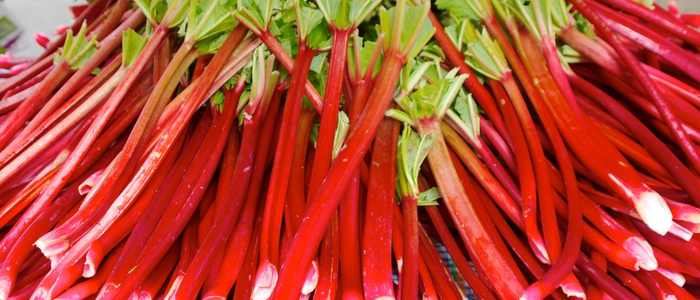
Another perennial vegetable that can be grown from crowns in Wyoming is rhubarb (Rheum officinale).
Why Grow Rhubarb?
Like asparagus, rhubarb will produce for many years. It is easy to grow in many regions of Wyoming.
It is tolerant to many pests and its tart flavor works well in many recipes.
Maintenance And Care
Plant the crowns about three feet apart in rows four to five feet apart. It can be grown along the edges of the garden.
You may harvest them from the second year. It is susceptible to rhubarb curculio, slugs, and snails.
The rhubarb planting guide is covered here:
12. Spinach

Spinach (Spinacia oleracea) is a hardy coo-weather crop that can withstand the cool weather of Wyoming.
Why Grow Spinach?
Like lettuce, spinach is a quick-maturing leafy vegetable that can be grown in Wyoming. It can be a good companion plant for radishes, onions, peppers, and vegetables.
Maintenance And Care
Sow spinach seeds in rows about 12-18 inches apart in early May or late July. Cut the whole plant when they reach four to six inches in diameter.
It can be affected by downy mildew, aphids, and fusarium wilt.
Check this video to grow spinach:
13. Tomatoes

A popular warm-season crop that can give high yields is tomatoes (Lycopersicon esculentum). It belongs to the nightshade family.
Why Grow Tomatoes?
Early-maturing tomatoes can grow and mature easily in the summer months of Wyoming. It does not require a large space to grow and can be planted in multiple systems.
Maintenance And Care
Transplant tomato plants after the danger of frost have passed. You may use stocky transplants that are 6-10 inches tall and harvest them when they are fully ripe.
It can be troubled by hornworms, cutworms, aphids, and spider mites.
Here is a video on maximizing tomato yield in Wyoming:
14. Turnips

Another root vegetable that belongs to the Cruciferae family and is grown in many areas of Wyoming is turnips (Brassica rapa).
Why Grow Turnips?
Turnips are cool-season crops that can be planted both for spring and fall harvests. It is quickly maturing. Both roots and leaves are recommended in many dishes.
Maintenance And Care
Plant turnip seeds about ½ inch in depth and plant successive plantings three weeks apart for continuous harvests. Pick the roots when they are two to three inches. It is prone to black rot, club root, maggots, and flea beetles.
Check out this video on growing turnips:
15. Sweet Corn

Sweet corn (Zea mays) is a member of the Poaceae family and a warm-season crop that does well in Wyoming.
Why Grow Sweet Corn?
Corn can be grown in the summer months of Wyoming if you have a good garden space. Planting corn can be easy for home gardeners.
Maintenance And Care
Plant early-season varieties in rows about 30 inches apart. It can be ready to harvest about 20 days after the silk appears on the ear. Corn earworms can be the main pests in these regions.
Check out this video on growing sweet corn:
What Is The Easiest Growing Vegetable In Wyoming?
The easiest-growing vegetable in Wyoming is the radish.
Radish can be directly grown very early in the spring. It is a fast grower and adapts well to the cool weather of Wyoming.
Also, it acts as a companion plant for slower-growing spring vegetables.
Wide varieties are available making it a good start for beginner gardeners.
The other vegetables that grow easily in Wyoming’s climatic conditions are lettuce, beans, and peas.
What Is The Best Time To Grow Vegetables In Wyoming?
The best time to grow vegetables in Wyoming is between the last (May through July) and the first frost (August through October) when the soil temperature is warm.
Many warm-season vegetables can be started indoors before the danger of frost and transplanted outside when the soil temperatures are warmer.
The cool-season crops can be started after the danger of frost has passed for a spring harvest. Another planting is done in late summer or early fall for late harvest.
FAQs
Wyoming is in the USDA plant hardiness zones of 3 to 6. It has about 115 days between the last and first dates. You may grow suitable vegetables for these zones.
Both white and red potatoes can be grown for use in early summer and as a late crop. But, it is preferable to choose an early or medium to late maturing variety. It can be harvested after the vines are dead.
The frost-free growing season on average starts from May 22 till September 19 in Casper, Wyoming. It has a total of 120 days when many vegetables can be grown.
Quick Recap: Top Vegetables to Grow In Wyoming
Here is a quick recap of the top vegetables that can adapt best to Wyoming’s weather conditions.
| Vegetable | Why Grow? |
|---|---|
| Radish | 1. Act as a cover crop and companion plant 2. Fast germinator and matures quickly |
| Lettuce | 1. Doesn’t have serious pest or disease problems 2. Survive the cool weather of Wyoming |
| Asparagus | 1. Perennial vegetable suitable for spring in Wyoming 2. Remains productive for many years |
| Beans | 1. Gives multiple harvests throughout the growing season 2. Many varieties available for small space |
| Beets | 1. Can be grown in containers or ground 2. Cool-season root vegetables both edible and ornamental |
| Broccoli | 1. Relatively easy to grow in Wyoming 2. Multiple varieties and compatible with containers |
| Cabbage | 1. Cool-season crop that can be grown as spring and fall crop 2. Multiple varieties are available in different colors |
| Carrots | 1. Best suited for the soil types and climate of Wyoming 2. Increased sweetness and flavored vegetables |
| Cucumbers | 1. Multiple varieties appropriate for Wyoming’s climate 2. Many varieties can be grown in containers |
| Peas | 1. Easy to grow annual crop 2. Continuous yield throughout the growing season |
| Rhubarb | 1. Easy-to-grow perennial 2. Tolerant to many pests |
| Spinach | 1. Easy-to-grow and fast-maturing leafy vegetable 2. Good companion plant |
| Tomatoes | 1. Early-maturing varieties are easy to grow and harvest 2. Grown in multiple systems |
| Turnips | 1. Cool-season crop that can be grown in both spring and fall 2. Mature quickly |
| Sweet corn | 1. Warm-season crop that can grow in many regions of Wyoming 2. Popular and versatile in the kitchen |
Bottom line
I hope this guide has helped you choose suitable vegetables for your Wyoming home gardens.
Please do write to me with your queries and suggestions. I will respond as soon as I can.
Do share the guide with your friends and family to help them!