Our experienced writers spend hours deep researching, considering both scientific and experimental info to bring the insights you can trust.
Quick Answer: Best Vegetables to Grow in Connecticut
The best vegetables to grow in Connecticut are greens (spinach, Swiss chard), leafy vegetables (cabbage, lettuce), broccoli, squash, asparagus, tomatoes, root vegetables (carrots, beets, radish, turnip), sweet corn, eggplant, and beans. Most vegetables can be grown during the frost-free growing season.
Wondering which vegetables grow well in Connecticut?
Check out this guide with a complete list of tried and tested vegetables known for doing well in Connecticut.
Connecticut has a varied climate of humid continental in the southern end to humid subtropical in the northern portion.
It has cold, snowy winters and hot, humid summers, making it suitable for growing a few vegetables within the growing season.
Now, let us explore the best vegetables that thrive well in Connecticut’s weather.
1. Spinach
Ideal Short-season Greens
Native to Asia, a leafy vegetable that can adapt well to Connecticut’s climate is spinach (Spinacia oleracea) of the beet family.
Why Grow Spinach?
Spinach is a hardy cool-season crop of Connecticut that gives the first spring greens.
It can be easily grown and is a good companion plant for cabbage, onions, peppers, and tomatoes.
Maintenance And Care
Spinach can be directly seeded ½ inch deep as soon as the soil is workable and in fall. It takes about six to eight weeks to grow.
The common issues are aphids, leafy miners, and downy mildew.
Here is a useful video on growing spinach:
2. Lettuce
A leafy vegetable that can survive the first frost of fall and winter in Connecticut is lettuce (Lactuca sativa) from the sunflower family.
Why Grow Lettuce?
Another cool-season vegetable that is a good candidate for Connecticut is lettuce.
It requires less maintenance and can be started before frost or September for a fall harvest. Also, it is suitable for beginners.
Maintenance And Care
Plant lettuce when the soil can be worked. It can be harvested in a month and is a good crop for succession planting.
Slugs can be troublesome intruders.
For a lettuce planting guide, check:
3. Cabbage
Cabbage (Brassica oleracea Capitata) is a member of the mustard family that can thrive well in the cool weather of Connecticut.
Why Grow Cabbage?
Cabbages are easy to grow in Connecticut as an early spring and fall crop.
It will give you yields until frost takes over. Also, it is versatile in the kitchen with many applications.
Maintenance And Care
Sow the cabbage seeds in early to mid-spring and fall. Harvest the individual leaves for salads and the whole plant after 70-120 days.
Pay close attention to cabbage worms and flea beetles.
Check out this video for cabbage growing guide:
4. Broccoli
Another member of the cole family that can flourish in Connecticut weather is broccoli (Brassica oleraceae Italica).
Why Grow Broccoli?
Broccoli is a cool-season crop that grows well in Connecticut. It is not a difficult vegetable to grow and doesn’t require pruning. It can be used in a variety of ways in the kitchen.
Maintenance And Care
Broccoli can be planted at ½ inch depth in fertile, friable soil with good moisture-holding capacity. It takes 60-100 days to harvest.
It is highly susceptible to clubroot, deer, and caterpillars.
The broccoli planting guide is covered here:
5. Swiss Chard
Perfect Ornamental And Edible Vegetable
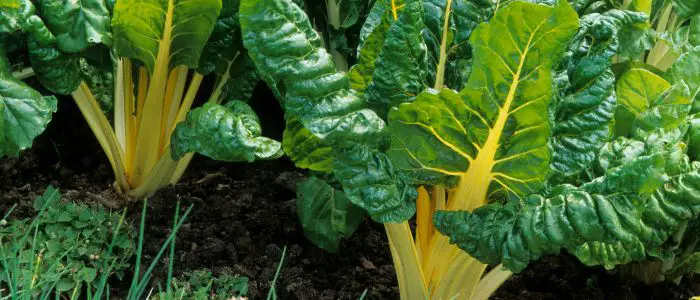
A member of the beet family that does well in the continental weather of Connecticut is Swiss chard (Beta vulgaris Cicla).
Why Grow Swiss Chard?
Swiss chard grows well in the cool weather of spring and fall. Like beets, both leaves and stems are edible. Also, it will add ornamental value to your home gardens.
Maintenance And Care
Swiss chard can be planted at about ½ inch depth leaving 18-24 inches apart. It takes about 40-50 days to harvest in Connecticut.
Watch out for aphids, slugs, and flea beetles.
Check here on how to grow Swiss chard:
6. Squash
Another easy-to-grow vegetable in home gardens of Connecticut is squash (Cucurbita pepo). It comes in a huge range of shapes and sizes.
Why Grow Squash?
Different types of squashes, including acorn squash, zucchini, and ornamental gourds, thrive well in most regions of Connecticut.
Winter squash can be grown in the cool weather and short days of October. It is compatible to grow in containers and gives bountiful yields.
Maintenance And Care
Sow squash about 1-1 ½ inches leaving 36-48 inches apart. It can be harvested in 50-65 days depending on the variety. Squash vine borers and squash bugs are common issues.
Click this video for tips on growing squash:
7. Asparagus
Asparagus ( Asparagus officinalis) of the Liliaceae family is a low-maintenance perennial with a high payoff that can thrive in Connecticut.
Why Grow Asparagus?
Asparagus is a rewarding perennial that will continue to come back every spring for a longer period. It does well in Connecticut’s climate with minimal maintenance.
Maintenance And Care
Asparagus can be planted along the border as they are permanent garden plants. Dig a one-foot trench and lay the asparagus roots over the mounds.
Harvest about six to eight weeks from the third year of planting. Asparagus beetles and Fusarium crowns are common problems.
Check out this video for growing asparagus:
8. Tomatoes
A popular home garden vegetable that can flourish under Connecticut weather conditions and soil is tomatoes (Lycopersicon esculentum) of the nightshade family.
Why Grow Tomatoes?
The early maturing varieties, including Better boy, and Jet star grow well in Connecticut. These types will mature soon giving bountiful yields in summer.
Also, most varieties are container friendly if you have limited garden space.
Maintenance And Care
Start growing tomatoes about four to six weeks indoors before your last frost date. It may take 65-90 days to mature.
Aphids, thrips, and snails are a few unwanted pests attacking the plants.
For growing tomatoes, check:
9. Carrots
A root vegetable that can be grown relatively fast in Connecticut is carrots (Daucus carota var.sativus). It works well in a raised garden bed.
Why Grow Carrots?
Carrots are hardy cold-tolerant vegetables that can adapt to Connecticut’s weather. It is popular among home gardeners. It is not vulnerable to pests.
Maintenance And Care
Carrots seeds can be planted about ¼ to ½ inches in a sunny spot when the soil temperatures at about 75oF. It can be harvested in 65 to 90 days.
It is susceptible to aster yellows and carrot rust flies.
Check here for growing carrots:
10. Beets
Another root vegetable that is relatively easy to grow in Connecticut is beets (Beta vulgaris) of the Chenopodiaceae family.
Why Grow Beets?
Beets are perfectly suited for growing in a Connecticut’s cool spring and fall.
It is fast-growing that can tolerate cool temperatures. Both greens and roots are edible.
Maintenance And Care
Beets can be grown in about ½ to one inch and harvested in 50-70 days. For the best taste, you may pick the roots when they are 1 1/2 to 2 ½ inches.
A few pest problems are slugs, beet armyworms, and webworms.
Click here for growing beets from seeds:
11. Radish
A popular, versatile root vegetable that can flourish well in Connecticut is radish (Raphanus sativus) which belongs to the cabbage family.
Why Grow Radish?
Radishes are easy to grow for novice gardeners. It matures quickly, allowing you to grow multiple times within the season.
Also, it does best when grown in cooler conditions in Connecticut.
Maintenance And Care
Grow radish about ½ depth in early spring and fall. It can be harvested as early as 24-30 days when the roots are around 1 inch in diameter.
Cabbage maggots, flea beetles, and cutworms are common pests.
Here is a guide for growing radish:
12. Turnip
Turnip (Brassica rapa) is one of the popular Cruciferae family members that can thrive well in Connecticut weather and soil conditions.
Why Grow Turnip?
Turnips can be an excellent addition to your Connecticut home gardens. It grows fast, matures quickly, and is tolerant of most pests.
Both greens and roots can be enjoyed in many dishes.
Maintenance And Care
Turnips can be sown directly from early spring to late summer at about ½ inch depth. Harvest after 40-60 days when the roots are tender.
Watch out for flea beetles and root rot.
Check out this video for growing turnip:
13. Sweet Corn
A tender, warm-season annual crop that is suitable for Connecticut summer is sweet corn (Zea mays). It belongs to the grass family (Poaceae).
Why Grow Sweet Corn?
Sweet corn can be easily grown in Connecticut if you have a lot of space and a sunny spot. It is a fast grower with many culinary uses.
Maintenance And Care
Sweet corn is best started directly in the ground when the soil temperature is at least 60oF. Precede growing it with a nitrogen-fixing crop.
Harvest after 70-90 days. It is prone to corn earworms, cutworms, and deers.
Growing sweet corn is covered here:
14. Eggplant
Another rewarding member of the Solanaceae family that can be grown in Connecticut is eggplant (Solanum melongena).
Why Grow Eggplant?
A hardy vegetable that can survive in the climate of Connecticut is eggplant. Many varieties can be grown in the sandy loam and clay loam.
It can be used in many recipes.
Maintenance And Care
Sow the seeds indoors for at least eight weeks before transplanting. It can be harvested from early July to mid-October in Connecticut.
It can attract Colorado potato beetles and flea beetles like other Solanaceae family members.
Here is a video on growing eggplant:
15. Beans
Beans (Phaseolus vulgaris) are members of the Leguminosae plant that can be grown easily in the home gardens of Connecticut.
Why Grow Beans?
Green beans are one of the easiest crops to grow in the summer heat of Connecticut. It is highly rewarding with multiple harvests. It is suitable for beginners.
Maintenance And Care
Bush beans can be planted at the one-inch depth when the soil temperature is warm and can be harvested in 45-60 days.
Watch out for white mold, spider mites, rust, and Mexican bean beetles.
The beans planting guide is covered here:
What Is The Easiest Growing Vegetable In Connecticut?
The easiest-growing vegetable in Connecticut is spinach.
Spinach is a hardy plant that can survive the cool weather of Connecticut. Also, it is less demanding and requires minimal maintenance.
Also, it can be easily grown in containers if you have space constraints.
The other vegetables that can be easily grown in the continental climate of Connecticut are cabbage, lettuce, and broccoli.
What Is The Best Time To Grow Vegetables In Connecticut?
The best time to plant vegetables in Connecticut is during the frost-free growing season. It may be on average, starting from April till October.
The cool-season crops, including beets, broccoli, Swiss chard, turnip, spinach, and lettuce, can start from March to April.
You may also plant them July-August for fall harvest.
The warm-season crops, including tomato, squash, beans, and corn can be planted end of spring for summer harvest.
FAQs
Which vegetables can be started indoors in Connecticut?
Tender vegetables, including tomatoes, pepper, broccoli, and Brussel sprouts with a very long growing season and increased susceptibility to cold temperatures can be started indoors. On the other hand, root vegetables, including carrots, radishes, and beets are better started indoors.
What zone is Connecticut for gardening?
Connecticut falls in the USDA plant hardiness zone of 5b to 7a. The extreme northwest is in zone 5 whereas the southern part of Connecticut is in zone 7. You may grow vegetables that survive in these zones or lower.
Can you name a few companion plants for Connecticut home gardens?
Tansy can be planted near potatoes to reduce Colorado potato beetles. Planting fennel, dill, and cilantro help in attracting beneficial insects to your home garden. Onions and marigolds can be planted near tomatoes to reduce pests.
Quick Recap: Top Vegetables to Grow In Connecticut
Here is a quick recap of the top vegetables that can cater to Connecticut’s climatic conditions.
Vegetable
Why Grow
Spinach
1. Short-season crop that can tolerate light frost
2. Good companion plant
Lettuce
1. Less maintenance and suitable for beginners
2. High yields in short space
Cabbage
1. Can be grown for a longer period in spring and fall
2. Versatile in kitchen
Broccoli
1. A forgiving versatile crop that can withstand cool weather
2. Doesn’t require pruning and less-maintenance
Swiss Chard
1. Both ornamental and edible
2. Grows well in the cool weather of Connecticut
Squash
1. Easy to grow and germinate
2. Gives bountiful yields and is available in various varieties.
Asparagus
1. Easy to grow and high returns of investment
2. Low maintenance and suitable for spring harvest
Tomatoes
1. Early maturing varieties suitable for Connecticut
2. Container friendly with a rewarding harvest
Carrots
1. Less vulnerable to pests
2. Cold-tolerant suitable for Connecticut weather
Beets
1. Popular for greens and roots
2. Fast-growing suitable for spring and fall of Connecticut
Radish
1. Early maturing that allows multiple succession planting
2. Thrives well in the cool weather of Connecticut
Turnip
1. Cool-season crop that can be grown in both spring and fall
2. Matures quickly and is tolerant of pests
Sweet corn
1. Can be grown in Connecticut summer
2. Fast-grower with many culinary uses
Eggplant
1. Tropical/Semitropical with rewarding yields
2. Availability of many varieties
Beans
1. Bush varieties grow well in the summer heat
2. Highly rewarding and appropriate for beginners
Bottom line
I hope this guide has helped you pick vegetables suitable for your home garden in Connecticut.
Please write to me with your suggestions, queries, and feedback on starting a home garden in different regions of Connecticut.
Do share the guide with your dear ones if you find it helpful!