

Quick Answer: Best Vegetables to Grow in Oregon
The best vegetables to grow in Oregon are leafy vegetables (lettuce, cabbage, kale), root vegetables (carrot, radish, beets, potatoes), creepers (beans, peas, cucumbers, squash), artichoke, kohlrabi, and broccoli. Its climatic condition allows the vegetables to grow from early spring till late fall.
Are you interested in cultivating vegetables in Oregon and wondering what vegetables are ideal for home gardens?
This guide will help you with a curated list of the best vegetables to grow in Oregon.
Let us dig into the guide!
Best Vegetables to Grow in Oregon
Oregon has a varying climate ranging from mild conditions on the coast to extreme temperatures with dryness in the interior.
The gardening zone is expansive in Oregon. Its climate and fertile soil types make it ideal for growing various vegetables.
Now, let us examine the list of best vegetables that can grow in Oregon.
1. Lettuce

Easy To Grow In Oregon Climate
Lettuce (Lactuca sativa) of the Asteraceae family is one of the annual cool-season leafy vegetables popularly grown in most regions of Oregon.
Why Grow Lettuce?
Lettuce is one of the easiest vegetables to grow in Oregon. There are many varieties ranging from baby lettuce to large heads.
Also, it is a low-maintenance vegetable that produces leaves for many months.
Maintenance And Care
Lettuce can go in the ground from mid-April through early October. It requires more nitrogen and consistent moisture to prevent bolting and bitter leaves.
One of the biggest issues is slugs.
Click this video for growing lettuce:
2. Broccoli

Another vegetable that can be planted in Oregon is broccoli (Brassica oleraceae var.Italica) of the Cruciferae family.
Why Grow Broccoli?
Broccoli is easy to grow and well-suited to the Oregon climate. It is a hardy vegetable that likes moist rich soil. It can be grown in containers.
Maintenance And Care
Broccoli is best grown from transplants or seeds. It prefers to be planted in the shade of larger summer crops, including cucumbers or potatoes.
The common pests that affect the crop include aphids, cabbage worms, and root maggots.
The broccoli growing guide is covered here:
3. Cucumber

High-yielding Climber
Cucumber (Cucumis sativus) of the Cucurbitaceae family is a creeping vine plant that is widely cultivated in Oregon.
Why Grow Cucumber?
Cucumber grows well in parts of Oregon with mild summers and ample rain. It is fast-maturing in the summer.
It gives plentiful yields and can be cooked, eaten raw, or pickled.
Maintenance And Care
Cucumbers can be planted when the soil temperatures are in the 60s. It is ready to harvest when the flowers drop off the fruit.
It is susceptible to powdery mildew, striped cucumber beetles, and flea beetles.
Here is a video on growing cucumber:
4. Green beans

Another vegetable that can be easily cultivated in Oregon is green beans (Phaseolus vulgaris) of the Leguminosae family.
Why Grow Beans?
Many varieties of beans, including green, yellow, and purple, can be grown well across Oregon. Pole beans require trellising and give high yields over a long period.
Also, it is easy to grow and can be harvested quickly.
Maintenance And Care
Beans require at least six hours of sunlight per day, and bush beans can be harvested about three weeks after flowering.
It is subjected to several root disorders, and white and gray mold.
Here is a video on growing bush and pole beans:
5. Cabbage

A biennial plant that is often grown as an annual in Oregon is cabbage (Brassica oleracea) of the Cruciferae family.
Why Grow Cabbage?
Cabbage comes in a wide array of shapes, sizes, and colors, including green, red, and purple. It can be grown all year round in wetter areas of Oregon.
Also, it has versatile cooking applications.
Maintenance And Care
Cabbage can be started indoors under lights 6-8 weeks before the frost. Avoid planting them in an area where other Brassicas have grown.
It is susceptible to attack from slugs, cabbage maggots, and flea beetles.
For step by step process of growing cabbage, click:
6. Carrots

Carrots (Daucus carota) of the Apiaceae family are a perfect vegetable that can be grown in Oregon.
Why Grow Carrots?
Carrots are root vegetables that grow well in Oregon’s loose well-draining soil. Baby carrot varieties are container-friendly.
It is a perfect vegetable for munching, salads, and stews.
Maintenance And Care
Carrots can be directly sown from seed about ¼-1/2 inch deep. It is a light feeder and can be picked when carrots are the right color.
The common issues are wireworms, flea beetles, aster yellows, and carrot rust flies.
Carrot growing tips are covered here:
7. Kale

A delicious cooking green that is cold-tolerant and good for Oregon’s climate is kale (Brassica oleracea var. acephela) of the Cruciferae family.
Why Grow Kale?
Kale is a popular leafy vegetable that thrives well in Oregon.
It is grown for its edible leaves and adds ornamental value to the garden.
Maintenance And Care
Kale can be started from seeds or transplants in a sunny spot. It can also be grown in containers about 8 inches wide.
It is a heavy feeder and can be harvested as needed. Watch for cutworms, cabbage loopers, aphids, flea beetles, and mildews.
Check this link for growing kale:
8. Squash

Summer squash (Cucurbita pepo) of the Cucurbitaceae family is another variety that can thrive well in the summer months of Oregon.
Why Grow Squash?
Summer squash adapts well to Oregon’s climate producing bounty yields. It grows well in the warm summer months. Also, the growth rate is fast giving bountiful yields.
Maintenance And Care
Plant squash as soon as the soil temperatures reach 60-65oF from early May through June. Summer squash may mature in about 60 days.
Powdery mildew, slugs, and beetles are the biggest problems in Oregon.
Click here for growing summer squash at home:
9. Tomatoes

Tomato (Solanum lycopersicum) of the nightshade (Solanaceae) family is commonly cultivated in the home gardens of Oregon.
Why Grow Tomatoes?
The warm weather and long days of Oregon are perfect for growing heat-loving tomato plants. There are many varieties of tomatoes ranging from compact cherry tomatoes to large ones.
Maintenance And Care
Start planting tomatoes at the beginning of May with at least 8 hours of direct sun. Most varieties require support, pruning, and mulching.
It can be affected by late blight, hornworms, cutworms, and blossom end rot.
For tomato planting tips, check:
10. Radish

Another annual root vegetable of the Cruciferae family that is widely grown in Oregon is radish (Raphanus sativus).
Why Grow Radish?
Radishes are root vegetables that can grow well even in drier parts of Oregon. Few varieties can be harvested within a month of planting.
Maintenance And Care
Radish can be directly seeded in the garden in the early spring as soon as the soil is workable.
You may successfully sow to have an ongoing supply of radishes.
Harvest them when the shoulders rise above the soil. Cabbage maggots and cutworms are common pests.
Here is a useful video on growing radishes:
11. Peas

Fast-growing Creeper
Peas (Pisum sativum) is a herbaceous annual plant belonging to the Fabaceae family. It can thrive well in Oregon state.
Why Grow Peas?
Peas are easy to grow, fast-grower, and can be cooked in a variety of dishes. It is extremely hardy and will give ample yields in the summer of Oregon.
Maintenance And Care
Peas are best sown directly from seeds about one inch deep or transplants in both spring and fall.
Climbing varieties need a trellis and require fertilization when they are six inches tall. Common problems are mildew, root rot, cutworms, and aphids.
Peas growing guide:
12. Beets

Beets (Beta vulgaris) of the Chenopodiaceae family are an annual, cool-season crop that can be grown in Oregon gardens.
Why Grow Beets?
Beets are another vegetable that is best suited for Oregon’s climate and soil texture. It has few pest and disease problems. Also, there are various varieties of this plant available.
Maintenance And Care
Beets can be grown from seeds or transplants.
Oregon soil lacks birth, and you may add Borax to support beet growth.
Baby beets can be harvested four weeks after planting. It is susceptible to cutworms, leaf miners, aphids, scabs, and mildew.
Here is a video on growing beets:
13. Artichoke

Artichokes (Cynara scolymus) of the Compositae family can be grown well in the cool, moist climate of coastal Oregon.
Why Grow Artichoke?
Artichoke is a perennial that gets more productive every year. It gives high returns on investment. Also, it is tolerant to light frost.
Maintenance And Care
Plant artichokes in loose, well-amended soil spaced about three to five feet apart. It is a heavy feeder and requires well-rotted manure.
Mulch the plant with a covering of leaves or straw in the fall. Watch out for aphids and ants.
Check here for growing artichoke:
14. Kohlrabi

Kohlrabi (Brassica oleracea var.gongylodes) is a member of the Cruciferae family that can be grown as an annual crop in Oregon.
Why Grow Kohlrabi?
Kohlrabi is a nutritious vegetable that is easy to grow. It can be planted in both the spring and fall of Oregon.
It is a versatile vegetable that can be added to various cooking recipes, including stews, slaws, and salads.
Maintenance And Care
Kohlrabi can be directly seeded in early April to May or July and August.
It is a heavy feeder and harvest the bulbs when they are three inches in diameter. The common pests are cutworms and cabbage worms.
Kohlrabi growing guide from seed:
15. Potatoes
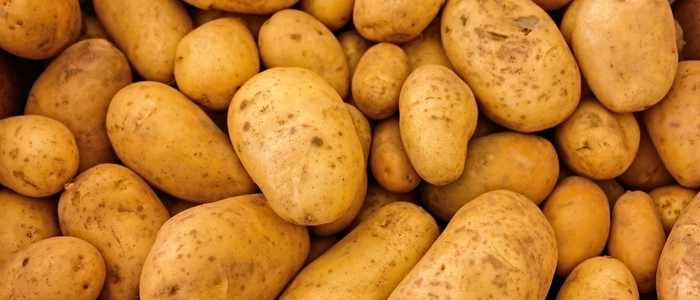
A popular root vegetable that is widely consumed and grown in Oregon is potato (Solanum tuberosum) of the Solanaceae family.
Why Grow Potatoes?
Potatoes can grow well in the home gardens of Oregon. It is a fast-grower that can be stored for long periods. Also, it is versatile that can be used in many recipes
Maintenance And Care
Potatoes can be grown from seeds or tubers from March to mid-June. Side dress additional fertilizers when the plants are about 6 inches tall.
The common issues are Colorado potato beetles, aphids, wireworms, and flea beetles.
Check out this video for growing potatoes:
What Is The Easiest Growing Vegetable In Oregon?
The easiest vegetable to grow in Oregon is lettuce.
Lettuce can take cold and some heat. It can be grown easily in most regions of Oregon.
Most varieties are rarely bothered by pests. Also, it is a less maintenance plant and produces delicious leaves for months.
The other vegetables that can be grown are broccoli, cucumber, and beans.
What Is The Best Time To Grow Vegetables In Oregon?
The best time to grow vegetables in Oregon is from early spring till fall depending on the growing region.
Plant cool-season crops in the spring as soon as the soil is workable.
They can also be planted from July till September, depending on the plant and region of Oregon for fall harvest. They grow well until the first hard frost in late November.
The warm-season crops have one growing cycle from late spring after the last frost date till late summer.
FAQs
Oregon’s spring is relatively cool and wet. You may grow root vegetables, including radishes and turnips. Carrots and beets may thrive in cool weather. The various greens, including arugula, spinach, lettuce, kale, chard, and collard greens can be grown in spring.
Yes, sugar pod peas can be grown in Oregon. It is a bush pea type about 36-48 inches tall that can be planted in early spring or late summer. It grows fast and can be harvested in around 60 to 65 days.
Oregon is divided into the coast with a long growing season (190-250 days), Western valleys with warm days and cool nights(150-250 days), High elevations with a short growing season (90-120 days), and Columbia and Snake river valleys (120-200 days).
Quick Recap: Top Vegetables to Grow In Oregon
Here is a quick recap of the top vegetables that can be grown in Oregon.
| Vegetable | Why Grow |
|---|---|
| Lettuce | 1. Easiest vegetable to grow with yields for a long time 2. Low maintenance |
| Broccoli | 1. Grows well in the climate and soil of Oregon 2. Easy to grow and hardy |
| Cucumber | 1. Fast-yielding and multiple harvests during the summer of Oregon 2. Numerous cooking application |
| Beans | 1. High yields for a longer period 2. Many varieties suitable for Oregon climate |
| Cabbage | 1. Grows well in wetter areas of Oregon 2. Multiple varieties with versatile cooking applications |
| Carrot | 1. A nutritious vegetable that grows well in the loose, well-draining soil of Oregon 2. Baby carrots are container-friendly |
| Kale | 1. Both for cooking and ornamental purposes 2. Grows well in climatic conditions and soil of Oregon. |
| Squash | 1. Suitable for Oregon summer 2. Gives bountiful yields |
| Tomato | 1. Suitable for long days and summer of Oregon 2. Multiple varieties and container friendly |
| Radish | 1. Widely grown in Oregon 2. Easy to grow and less days to harvest |
| Peas | 1. Fast grower giving multiple harvests in a short time 2. Multiple varieties, including snap peas, English peas, and sugar pod peas. |
| Beets | 1. Easy to grow in Oregon 2. Less susceptible to pests and diseases |
| Artichoke | 1. Perennial that gets productive every year 2. Tolerant to light frost |
| Kohlrabi | 1. Versatile cooking applications 2. Grown in both spring and fall of Oregon. |
| Potatoes | 1. Fast-grower and high yielding 2. Used for many cooking recipes |
Bottom line
I hope this guide has provided you with some great vegetables suitable for your Oregon home garden.
Please feel about writing to me with your suggestions and queries about starting a garden in Oregon.
If you find the guide helpful, share it with your gardening friends!