

Quick Answer: Best Vegetables to Grow in South Carolina
The best vegetables to grow in South Carolina are beans, nightshade family, (tomatoes and potatoes), leafy vegetables (spinach, kale, collard, cabbage), roots (beets, carrots), sweet corn, onion, broccoli, cucumber, summer squash, and asparagus. The mild climate makes it possible to grow vegetables in spring, summer, and fall in these regions.
Are you new to gardening and wondering what vegetables are suitable to grow in South Carolina?
If, yes, this is the A to Z guide of the best vegetables grown in South Carolina.
Let us get started for more information!
Best Vegetables to Grow in South Carolina
South Carolina is a gardening haven due to its humid subtropical climate with hot summers and mild winters.
It falls in the USDA hardiness zone of 7a to 9a with varying soil types. So, home garden vegetables can be grown in most regions of South Carolina with adequate care.
Next, let us discuss the different vegetables suitable for South Carolina’s climate.
1. Beans

Beans (Phaseolus vulgaris) of the Leguminosae family are a primary warm-season plant in South Carolina.
Why Grow Beans?
Beans are easy to grow in South Carolina due to their hot summers. There are many varieties available that can be harvested in 55 days.
It gives large yields with less maintenance.
Maintenance And Care
Plant the beans when the soil temperature is at least 60oF at the 4-inch depth. It may be started in spring (April) and fall (Jun-Aug) with a sturdy trellis.
It is prone to bean beetles, aphids, and rust.
Check out for beans planting:
2. Beets

Fast-growing Cool-season Plant
Beets (Beta vulgaris), a member of Chenopodiaceae family are an important cool-season plant that can be grown in South Carolina.
Why Grow Beets?
Beets prefer the loamy or sandy soils of South Carolina. It is a fast-growing vegetable that can be harvested in 50-70 days.
It can be grown as both spring and fall crops.
Maintenance And Care
Avoid following spinach or Swiss chard and plant them in full sun. Harvest when it is less than two inches to retain the flavor.
It is prone to aphids, leafminers, and flea beetles.
Growing beets are covered here:
3. Tomatoes

One of the warm-season plants that are popular in South Carolina is tomatoes (Lycopersicon esculentum) of the Solanaceae family.
Why Grow Tomatoes?
Tomatoes are one of the favorite vegetables suitable for South Carolina summers.
It can be easily grown in a field, greenhouse, or pot with versatile uses and multiple varieties.
Maintenance And Care
Tomato plants can be started indoors eight weeks before the frost date. It takes between 52 to 90 days to harvest. Avoid following potato, pepper, and eggplant.
It is susceptible to aphids, whiteflies, Wilt, and Blight.
Check out this video for additional information:
4. Potatoes
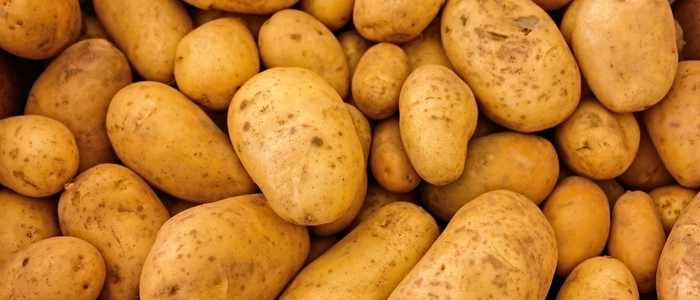
Easy-to-grow Root Vegetable
Native to America, one of the popular root vegetables of South Carolina is Potato (Solanum tuberosum ).
Why Grow Potatoes?
Potatoes are a very easy-to-grow crop suitable for South Carolina home gardens. Like tomatoes, there are many varieties with versatile uses.
It can be grown in a limited space.
Maintenance And Care
Potatoes prefer a cool spring and moisture throughout the growing season. It takes about 100-120 days to mature.
Avoid planting in the same location as the tomato family. Green skin, hollow heart, and black walnut wilt are common issues.
For potato planting, click here:
5. Asparagus

Productive Perennial Crop
Asparagus (Asparagus officinalis) of the Asparagaceae family is a hardy perennial suitable for South Carolina`s climatic conditions.
Why Grow Asparagus?
Asparagus is one of the first spring crops to harvest. It provides yields every year once established. It is highly productive for seven to eight years.
Maintenance And Care
Asparagus requires a permanent bed with full sun and good drainage.
It can be planted from early Jan to late March and need two to three full growing season to harvest.
It is troubled by Asparagus beetles, rust, and crown rot.
Here is a video on asparagus planting:
6. Spinach

Spinach (Spinacia oleracea) of the Chenopodiaceae family is a hardy, cool-season leafy vegetable popular in South Carolina.
Why Grow Spinach?
Spinach can be planted in both early spring and fall in South Carolina. It is fast-growing and suitable for all regions of the state as it can handle a wide variety of soil.
Maintenance And Care
Plant semi-savoy type about ½ inch deep, and go light on manure.
It can be harvested in about 37 to 45 days. The common issues in these areas are aphids, cutworms, mildew, rust, and caterpillars.
Check here for spinach-growing tips:
7. Sweet Corn

Sweet corn (Zea mays) belongs to the Poaceae (Grass family) and is a popular warm-season vegetable in South Carolina.
Why Grow Sweet Corn?
Sweet corn is a popular vegetable with versatile uses. It can be grown on most soil types in South Carolina.
Also, it is seldom affected by diseases, especially in home gardens.
Maintenance And Care
Plant the sweet corn when the soil temperature is at least 50oF (March to April). It ripens after 80 to 95 days.
You may precede with a nitrogen-fixing crop. It is affected by corn earworms, beetles, and corn sap beetles.
Check out this video for sweet corn planting:
8. Kale

Kale (Brassica oleracea var.acephala) of the Cruciferae family is a healthful and hardy leafy vegetable in South Carolina.
Why Grow Kale?
Kale is a popular, easy-to-grow and hardy leafy vegetable in South Carolina with many varieties and multiple cooking applications. It can withstand frost and cooler temperatures.
Maintenance And Care
Plant kale in the full sun or the cooler weather of spring or fall.
It requires enrichment with compost for the best-tasting leaf. Mulch the soil to prevent weeds. It is commonly affected by flea beetles, slugs, rot diseases, and deer.
Kale planting is covered here:
9. Cabbage

Another member of the Cruciferae family that can adapt to South Carolina’s weather conditions is Cabbage (Brassica oleraceae Capitata).
Why Grow Cabbage?
Cabbage can grow well in well-drained sandy loam soils of South Carolina. It is preferred for fast growth, frost hardiness, and storage ability.
There are many varieties with different colors and shapes.
Maintenance And Care
Start cabbage in early spring and fall (July-August). It can be harvested about 60 to 80 days after planting when the head is firm.
The common problems encountered are head cracking, cabbage maggots, aphids, flea beetles, black rot, and downy mildew.
For growing cabbage, click:
10. Broccoli

A cool-season vegetable that can be easily grown in the home garden of South Carolina is Broccoli (Brassica oleracea Italica group) of the Cruciferae family.
Why Grow Broccoli?
Broccoli has a moderate growth rate and is best grown during the spring and fall season in South Carolina.
It prefers sandy loam to clay loam in these regions.
Maintenance And Care
Broccoli can be grown in rows about three feet apart. It is a heavy feeder and thirsty plant. It can be harvested 50 to 90 days after transplanting.
In these areas, flea beetles and black rot can affect these plants.
Check this video for additional information:
11. Onion

The Liliaceae family’s onion (Allium cepa) is one of the toughest vegetables to grow in South Carolina’s climatic conditions.
Why Grow Onion?
Onions can be cultivated in well-drained, sandy loams of South Carolina.
It is rarely affected by diseases in these regions. It can be easily grown with less maintenance.
Maintenance And Care
Onions are planted in the early spring for summer harvest and fall for late spring harvest. It can be planted from seeds, transplants, or sets.
One of the damaging pests of onions is maggots.
Here is a video on planting onions:
12. Cucumber

Cucumber (Cucumbis sativus) belongs to the Cucurbitaceae family and is a creeper suitable to grow in the home gardens of South Carolina.
Why Grow Cucumber?
Cucumber is a commonly consumed vegetable in South Carolina. Bush varieties are perfect for small spaces. It gives high yields in a short span.
Maintenance And Care
Plant the seeds or transplant them when the soil has warmed to 70oF. It can be ready to be harvested in 50-70 days.
Cucumber beetles, aphids, mites, mildew, blight, and wilt are major pests and diseases.
Check here for growing cucumbers:
13. Summer Squash

Summer squash (Cucurbita pepo) is a warm-season vegetable of the cucumber family that will fit well in South Carolina’s weather conditions.
Why Grow Summer Squash?
Summer squash is fast-growing, adaptable, and can be easily trained to grow on trellises.
Also, it is highly versatile with many varieties suitable for South Carolina’s summer.
Maintenance And Care
Summer squash can be planted from seed or transplanted when the soil temperatures are 65-75oF. It can be harvested in 55 days.
Squash bugs, vine borers, powdery mildew, and viruses are common problems.
Summer squash planting guide:
14. Collards

Collards (Brassica oleracea) are members of the Brassicaceae family that are abundantly grown for leaves in South Carolina.
Why Grow Collards?
Collards can be grown almost throughout the year in South Carolina. It can be grown in a variety of soils and withstand light freezes.
Maintenance And Care
Collards can be planted in spring (March-June) and fall (August-September). It requires moderate fertilizers.
It can be harvested in 60 to 80 days after transplanting. It is prone to caterpillars, harlequin bugs, aphids, black rot, and mildew.
Check here for tips on growing collards:
15. Carrots

Carrots (Daucus carota) are cool-season, root vegetables that can be grown in South Carolina. It belongs to the Umbelliferae family.
Why Grow Carrots?
Like beets, carrots can be successfully grown throughout South Carolina as both spring and fall crops.
Also, they grow well in the good textured, sandy, or loamy soil of these regions.
Maintenance And Care
Carrots can be planted in both spring and fall. It can be harvested in about 65 to 75 days after planting.
Some of the issues in these regions are root-knot nematodes and carrot yellows.
Check this video for growing carrots:
What Is The Easiest Growing Vegetable In South Carolina?
The easiest growing vegetable in South Carolina is beans.
Bean plants are the best vegetable suitable for South Carolina’s climatic conditions. Also, they are fast-growers giving high yields in a short time.
Wide varieties are available that can be grown with less maintenance in these regions.
The other vegetables that can also be easily grown in South Carolina are beets, potatoes, and tomatoes.
What Is The Best Time To Grow Vegetables In South Carolina?
The best time to grow vegetables in South Carolina is spring, summer, and fall (March to October).
The mild climate in these regions allows the crops to be grown most of the year.
The warm season crops can be planted in summer to mature and harvest in the fall. Cool-season crops grow well beyond the early fall.
So, you may plant the vegetables according to their climatic requirements.
FAQs
The different vegetables that can be planted in March are beans (snap, half runner, lima, and pole), cucumber, eggplant, onion, peas, sweet corn, squash, tomatoes, and peppers. Some of these vegetables can also be grown in containers to save space.
A few vegetables that can be harvested in the winters of South Carolina are lettuce, arugula, cabbage, kale, collards, turnips, radishes, rutabaga, and onions. The gardeners have found that lettuce, collards, and turnips taste better when the frost hits in the region.
The growing zones of South Carolina fall between 7a and 9a which varies depending on the location. Also, its humid subtropical climate makes it suitable for growing numerous plants, flowers, and vegetables all season long.
Quick Recap: Top Vegetables to Grow In South Carolina
Here is a quick recap of the top vegetables that can cater to South Carolina’s climatic conditions.
| Vegetable | Why Grow |
|---|---|
| Beans | 1. Large yields with less maintenance 2. More varieties are available |
| Beet | 1. Can be grown as both fall and spring crop 2. Suitable for the loamy sandy soil of South Carolina |
| Tomatoes | 1. Multiple varieties with versatile uses 2. Warm-season vegetables suitable for South Carolina summers |
| Potatoes | 1. Suitable for spring of South Carolina 2. Easy-to-grow, many varieties, multiple uses |
| Asparagus | 1. Hardy perennial of South Carolina 2. Highly productive with multiple returns |
| Spinach | 1. Fast-growing and ready to harvest in a month 2. Suitable for soil types of South Carolina |
| Sweet corn | 1. Versatile uses and easy-to-grow 2. Less susceptible to diseases |
| Kale | 1. Easy to grow with numerous cooking applications 2. Resist cool temperatures |
| Cabbage | 1. Tolerant to cool weather 2. Ready to harvest early with storage ability |
| Broccoli | 1. Moderate growth rate 2. Grown both as spring and fall crop |
| Onion | 1. Easy to grow with less maintenance 2. Suitable for South Carolina’s climate and soil |
| Cucumbers | 1. High yields in a short time 2. Widely cultivated, multiple varieties |
| Summer squash | 1. Adaptable, less garden space in trellis and fast-growing 2. Many varieties to choose |
| Collards | 1. Withstand cool temperatures 2. Can be grown most of the year |
| Carrots | 1. Can be grown in many regions of South Carolina 2. Grows well in the sandy loamy soil of these regions. |
Bottom line
Hopefully, this guide has given you several great choices for your vegetable garden!
Do share the guide with your gardening friends to help them out!