

Quick Answer: Best Vegetables to Grow in South Dakota
The best vegetables to grow in South Dakota are cabbage, asparagus, lettuce, carrots, onion, pepper, potatoes, pumpkin, squash, tomatoes, peas, eggplant, cucumbers, beans, and celery. These vegetables can be best grown from early spring till fall.
This is the ultimate guide to help you with a list of the best vegetables to grow in your South Dakota home gardens.
Let us get started!
Best Vegetables to Grow in South Dakota
South Dakota has a continental climate with warm, semi-humid summers and cool, dry winters.
It falls in the USDA hardiness zones 3, 4, and 5 with productive soil that allows many vegetables to grow.
Now, let us discuss the list of best vegetables that can be grown in South Dakota.
1. Cabbage

Cabbage (Brassica oleracea) is a cool-season crop that belongs to the Cruciferae family and can be grown in cooler temperatures in South Dakota.
Why Grow Cabbage?
Cabbage can be grown in the spring and fall of South Dakota. It can be grown in various soils and is suitable for beginners and experts alike.
Maintenance And Care
Plant early maturing varieties from March through May and late May to early June. Transplant when the stems are small to prevent bolting.
The major pests are moths, flea beetles, and cabbage maggots.
Check out this video on sowing to harvesting cabbage:
2. Asparagus

One of the easiest perennials that are relatively easy to grow in South Dakota is asparagus (Asparagus officinalis) of the Asparagaceae family.
Why Grow Asparagus?
Asparagus is the first vegetable that can be harvested in the spring in South Dakota. Fewer varieties, including Purple passion, add color to your garden.
Maintenance And Care
Plant hardy varieties, including Jersey king, Viking, or Martha Washington at 8-10 inches depth.
Harvest the spears from the third year to about 2-4 weeks. It is susceptible to asparagus beetles, fusarium root rot, and rust.
Here is a video on growing asparagus from crowns:
3. Lettuce

Another cool-season crop that can be planted in most home gardens in the early springs in South Dakota is lettuce (Lactuca sativa).
Why Grow Lettuce?
Wide varieties of lettuce, including leaf, butterhead, and romaine grow well in South Dakota.
These types are fast grower that matures quickly in five to eight weeks. It can be grown in containers.
Maintenance And Care
Plant lettuce as soon as the soil can be worked in the spring about 1/8 to ¼ inch.
You may continuously sow seeds every two weeks for continuous harvest. The common pests are aphids, slugs, and snails.
Click this video on growing lettuce:
4. Carrot

The carrot (Daucus carota) is a cool-season root vegetable that may survive in South Dakota home gardens. It belongs to the Apiaceae family.
Why Grow Carrot?
Wide varieties of carrots are suitable for South Dakota’s climate. It can even grow in small gardens and flower beds and tolerate a bit of shade.
Maintenance And Care
Carrots can be planted when the soil reaches 40oF around mid-April about ¼ to ½ inch depth. It can be harvested in 55 to 80 days, depending on the variety.
Carrot root flies and aster yellows can be problematic in these areas.
Check out this video on growing carrots:
5. Onion

Onions (Allium cepa) of the Liliaceae family are commonly grown vegetable that is easy to grow in different regions of South Dakota.
Why Grow Onion?
Onions are the tough and hardiest vegetable to grow in South Dakota. There are many varieties available with longer shelf life.
It is tolerant to most pests and diseases with appropriate care.
Maintenance And Care
Day-neutral or long-day types of onion varieties can be grown in South Dakota. Onion sets can be convenient to plant and can be harvested in 80 to 100 days.
It can be susceptible to bolting and onion maggots.
Here is a video on planting onions:
6. Pepper

Peppers (Capsicum annuum) are heat-loving vegetables that can be grown in the full sun of South Dakota.
Why Grow Pepper?
Different types of pepper ranging from sweet to hot in different colors, shapes, and flavors can be grown in South Dakota.
It can be planted in small spaces and containers.
Maintenance And Care
Pepper seeds can be started indoors for about eight weeks before transplanting. It can be spaced about 12 to 18 inches apart.
It can be harvested in 65 to 85 days, depending on the variety. It is susceptible to cutworms, aphids, and blossom end rot.
Check out this guide for growing peppers:
7. Potatoes
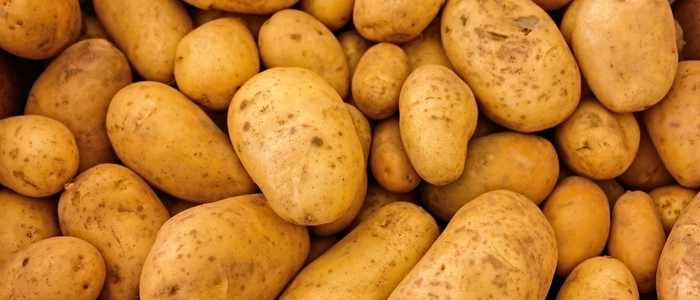
Potatoes (Solanum tuberosum) of the Solanaceae family are one of the world’s most popular and versatile vegetables in South Dakota.
Why Grow Potatoes?
Potatoes are relatively cheap to grow. It can be ground in a variety of systems, including grow bags, cans, on top of the ground, and straw bales.
Also, it gives high yields.
Maintenance And Care
Plant seed potatoes in three to four trenches spaced about nine to twelve inches apart. Start hilling when the plant is about six inches tall.
Watch out for Colorado potato beetles, scabs, and wilt.
Check here for growing potatoes:
8. Pumpkin

Pumpkins (Cucurbita pepo) are members of the Cucurbitaceae family and are a warm-season crop that can be grown in most areas of South Dakota.
Why Grow Pumpkin?
Many varieties are available in a wide range of sizes, shapes, and colors. It is both edible and adds ornamental value to the garden.
A single plant may give you bountiful yields.
Maintenance And Care
Plant pumpkin seeds directly when soil temperatures reach 70oF. It may be planted about half an inch deep and two inches apart.
The major issues faced are squash bugs, cucumber beetles, and vine borers.
Learn how to grow pumpkin using seeds following this link:
9. Summer squash

Another vegetable group that can adapt to South Dakota’s climatic conditions and soil types is summer squash (Cucurbita species).
Why Grow Squash?
Wide varieties of summer squash, including crookneck, straight neck, and patty pan can be grown in South Dakota.
It is versatile in the kitchen with multiple cooking applications.
Maintenance And Care
Plant summer squash when the soil temperature reaches 70oF. You may also prepare a hill of about three to four seeds to close together.
It is prone to squash bugs, vine borers, and cucumber beetles.
Here is a video on growing squash at home gardens:
10. Tomatoes

Tomatoes (Lycopersicon esculentum) are one of the warm-season vegetables that are popularly grown in home gardens of South Dakota.
Why Grow Tomatoes?
Tomatoes are easy to grow in containers or on the ground in South Dakota. It is highly productive with hundreds of varieties available for your garden.
Maintenance And Care
Start from transplants in South Dakota because of its short growing season.
Harden off plants for 1-2 weeks before setting into the garden, leaving within the row two to three feet apart.
Pay attention to wilts, leaf spots, blight, and hornworms.
For tips on growing tomatoes, check out:
11. Peas

Another vegetable crop that will adapt to Dakota’s climatic conditions is peas (Pisum sativum) from the Leguminosae family.
Why Grow Peas?
Peas can survive the cool weather of South Dakota. It allows multiple harvests within their growing period.
Wide varieties can be grown that can survive your culinary needs.
Maintenance And Care
Peas can be planted at about 1 ½ inch depth and one inch apart as soon as the ground can be worked.
It can be harvested ranging from 50 to 75 days. It is prone to powdery mildew, root rot, cutworms, and aphids.
Click this link for growing peas from sowing to harvest:
12. Eggplant

Eggplant (Solanum melongena) is a warm-season crop that can be grown in the summer in South Dakota.
Why Grow Eggplant?
Few small-fruited and ornamental varieties can be grown for culinary and beauty.
It can be grown in containers with small spaces that protect from heat. Also, it has a fast growth rate.
Maintenance And Care
Start eggplant about eight weeks before the transplanting date. The days to maturity range from 50-80 days after transplanting.
Flea beetles, aphids, and Colorado potato beetles attack the eggplant.
Easy eggplant planting guide is covered here:
13. Cucumber

The cucumber (Cucumis sativus) is one of the rewarding crops that can be grown in many regions of South Dakota.
Why Grow Cucumber?
Cucumber is relatively easy to grow giving plentiful yields. Both vine and bush types are suitable for South Dakota’s climatic conditions. It can be used for both slicing and pickling.
Maintenance And Care
Sow cucumber seeds after the soil temperatures have warmed to about 70oF about ½ inch depth.
It can be harvested in about 50-70 days to harvest. Cucumber beetles, bacterial wilt, and powdery mildew are common issues.
You may go through this video for planting cucumbers:
14. Beans

Green beans (Phaseolus vulgaris) are annual vegetables that can survive the summer in South Dakota.
Why Grow Beans?
Beans can be easily grown by beginners. It can be quickly grown, maintained, and harvested. It can be planted in raised beds, containers, and in-ground in South Dakota.
Maintenance And Care
Bean seeds can be planted directly into the garden when the soil is warm around mid-May. It has to be spaced about two to four inches apart and may take 50-70 days to harvest.
It is susceptible to bean leaf beetles, cutworms, and leaf spot diseases.
Here is a video on growing bush beans:
15. Celery

Another popular vegetable that is a member of the Umbelliferae family that can be adapted to South Dakota weather is celery (Apium graveolens).
Why Grow Celery?
Celery is a long-season, cool-weather crop that can be useful in the kitchen for stews, stir-fries, soups, and salads. Also, it is relatively pest and disease free.
Maintenance And Care
Start celery about eight to ten weeks indoors before the last frost date. Mix celery seeds with sand and sprinkle over the soil.
Harvest individual stems or whole plants. It is prone to flea beetles, slugs, and earwigs.
Check here for growing celery at home:
What Is The Easiest Growing Vegetable In South Dakota?
The easiest-growing vegetable in South Dakota is cabbage.
Cabbage can survive the cool temperatures of South Dakota. It is a robust vegetable that does not require preplanning and can be easily grown by beginners and experts.
Also, it is available in various green shades, purple and red, with a long growing season.
The other options that can be easily grown in your home gardens are asparagus, lettuce, and carrots.
What Is The Best Time To Grow Vegetables In South Dakota?
The best time to grow vegetables in South Dakota is from early spring as soon as the soil is workable till fall.
Cool-season crops can be planted from April to May. The fall garden is planted from late June to August, depending on the days to maturity of the harvest and the heavy frosts.
The warm-season crops can be started from June to July. These crops require a soil temperature of 60-75oF.
FAQs
Yes, you may grow perennial crops, including asparagus and rhubarb in South Dakota. These crops are heavy feeders and require well-rotted manure or garden fertilizer in the soil. You may have to wait for one to two years to harvest the crop.
A few long-season crops that can be grown in South Dakota are tomatoes, peppers, potatoes, and sweet corn. Some vine crops that can be planted are cucumbers, melons, winter squash, and pumpkins. These require most of the growing season to mature.
South Dakota is in the USDA hardiness zone of 3b to 5b. The majority of the state is in zones 3 or 4. The southwest border and southeast corner have splotches of zone 5. It has a slightly longer growing season than North Dakota.
Quick Recap: Top Vegetables to Grow In South Dakota
Here is a quick recap of the top vegetables that can be grown in South Dakota.
| Vegetable | Why Grow |
|---|---|
| Cabbage | 1. A cool-season vegetable that can survive light frosts 2. Suitable for both beginners and experts |
| Asparagus | 1. A perennial plant that can produce continuous harvests for many years 2. Few varieties add a pop of color to the garden |
| Lettuce | 1. Quickly maturing allowing successive planting 2. Tolerant to pests |
| Carrot | 1. Hardy vegetable that can survive the climatic conditions of South Dakota 2. Many varieties are suitable for small spaces |
| Onion | 1. Hardy vegetable that can tolerate cold temperatures and light frost 2. Less susceptible to diseases and pests |
| Pepper | 1. Multiple varieties suitable for South Dakota climate 2. Appropriate for small spaces and containers |
| Potatoes | 1. Can be grown in many systems, including containers, grow bags, ground 2. Huge yields and relatively easy-to-grow |
| Pumpkin | 1. Many varieties are available that are grown for both culinary and ornamental purposes 2. Gives bountiful yields |
| Squash | 1. Many varieties are available that will give huge yields 2. Versatile in the kitchen and garden |
| Tomatoes | 1. Highly productive warm-season vegetable crop 2. Suitable for containers, raised beds, and in-ground |
| Peas | 1. Multiple harvests throughout the growing season 2. Survives the cool weather of South Dakota |
| Eggplant | 1. Warm-season crop with a fast growth rate 2. Versatile in the kitchen with numerous applications |
| Cucumbers | 1. Both pickling and slicing varieties can be grown in South Dakota 2. High productive yield with versatility in the kitchen |
| Beans | 1. Fast-growing and easy to grow and maintain 2. Appropriate to grow in the ground, raised bed, and containers |
| Celery | 1. Tolerant to pests and diseases 2. Bolt-resistant, shorter-season varieties are suitable for South Dakota |
Bottom line
I hope this guide has helped you choose the best vegetables that can grow well in your Utah home garden.
Please write me your suggestions and queries about growing vegetables in Utah.
If you find the guide helpful, please share it with your friends and family!