

Quick Answer: Best Fruit Trees to Grow In The District Of Columbia
The best fruit trees to grow in the District of Columbia are apples, pears, cherries, peaches, pawpaw, persimmons, plums, jujubes, mulberries, and quince trees. It is preferable to plant these fruit trees in early spring after the soil is thawed or in fall to help roots establish themselves.
Are you planning to grow fruit trees in the District of Columbia?
If yes, check out this guide to help you choose the appropriate fruit trees to grow in your DC home garden.
Read further to know more!
Best Fruit Trees to Grow In The District Of Columbia
The District of Columbia (DC), also known as Washington, D.C., is in the humid subtropical climate zone.
Summers are hot and humid while winters are cool to cold with light snow. Its climate and soil types allow many fruit trees to grow successfully in DC.
Next, let us discuss the different fruit trees to grow in DC in detail.
1. Apples

Versatile Fruit Tree Of DC
Apples (Malus domestica) belong to the Rosaceae family and are one the most popular and valuable fruit trees that can be grown in DC home gardens for its delicious fruits.
Why Grow Apples?
Many cultivars can thrive in DC due to its adaptability to different soil types.
Spur-stain trees can be suited for home gardeners with limited space due to their compact form. Disease-resistant varieties are suitable for backyard growers.
Maintenance And Care
Apple trees prefer full sun and deep, well-drained soil. It requires another cultivar to cross-pollinate and produce fruits.
The standard trees require 25-35 feet of spacing and plant dwarf types need 7-10 feet apart to ensure good air circulation.
Prune in late winter to maintain a pyramid or cone shape. It can be susceptible to blight, apple scabs, and powdery mildew.
Check out this detailed guide on growing apples:
2. Pears

Pears (Pyrus spp) that belong to the Rosaceae family are another fruit trees that make a perfect addition to your DC garden due to its productivity and adaptability.
Why Grow Pears?
Many cultivars of pears can be grown in DC home gardens. It is relatively less troubled by insects and disease.
It can fit into any garden space, including large containers. It can also be grown as ornamental trees adding landscape beauty.
Maintenance And Care
Plant the trees in well-drained soil and full sun in the spring as soon as the soil is workable. Like apples, it requires two different cultivars to cross-pollinate and produce fruits.
Space standard trees about 20-25 feet apart and dwarf varieties about 12-15 feet apart. Prune the trees annually to keep them healthy and productive. Fireblight is a major disease of the tree.
Click here for the complete growing guide of pears:
3. Cherries

Ornamental Fruit Tree Of DC
Cherry trees (Prunus spp) belong to the family Rosaceae and are grown in DC home gardens for both ornamental and fruiting.
Why Grow Cherries?
Both sweet and tart varieties can thrive in DC due to its adaptability to climatic conditions.
It is also a beautiful ornamental tree adding landscape beauty to your home garden. It offers choices to suit all sizes of gardens, including compact options for containers.
Maintenance And Care
Cherry trees require a fully sunny location and well-drained soil with neutral to slightly acidic pH. Sweet types need to be spaced 20-25 feet apart and need cross-pollination.
Sour types require 15-20 feet of spacing and do not need cross-pollination. Use netting to protect the cherries from birds.
Other potential problems are verticillium wilt, black knot, and cherry leaf spot.
Here is a useful video to grow and care for cherry trees:
4. Peach

Peach (Prunus persica) is one of the important temperate stone fruits that can thrive in DC climatic regions.
Why Grow Peach?
Peaches are hardier and can flourish in DC.
It can be attractive in landscapes with early-spring pink flowers. Dwarf varieties are suitable for containers and home gardeners with small lot. It requires little attention once established.
Maintenance And Care
Peaches prefer slightly acidic well-drained soil and full sun.
It can be propagated via rootstock and grafting. Space the standard trees about 18-20 feet spacing while dwarf varieties are to be spaced 7-8 feet apart.
Many cultivars are self-fertile and require only one tree to produce fruits. Prune heavily in late winter once trees bear keeping an open center.
A few problems faced by the plants are peach leaf curl and peach tree borer.
Check out this link to know more about growing peaches:
5. Pawpaw

Pawpaw (Asimina triloba) is a small fruiting tree that is native to the USA and belongs to the custard family (Annonaceae). It can thrive in the DC home garden for its tropical-flavored fruits.
Why Grow Pawpaw?
Pawpaw is a hardy fruit tree of DC that adds tropical flavor to the home gardens.
It has few pests or disease issues. It is tolerant to shade and makes it suitable for intercropping with certain trees.
Maintenance And Care
Pawpaws can grow in full sun and slightly acidic soil (pH 5.5-7).
It requires two different cultivars for cross-pollination and to produce fruits. Apply balanced granular fertilizer annually once the trees are established.
Mulch the trees to reduce weed growth and maintain soil moisture. One of the troublesome pests is the pawpaw peduncle borer.
You may watch this video for growing and caring for pawpaws:
6. Persimmon

Persimmon varieties (Diospyros kaki) are relatively easy to grow hardy fruit trees in DC for delicious fruits. It belongs to the family Ebenaceae.
Why Grow Persimmon?
Persimmon trees can be easily grown in weather-protected areas of DC home orchards. It is tolerant of drought and cold.
It can adapt to different soil types and are easy to care for once established. It is rarely troubled by pests and diseases.
Maintenance And Care
Persimmons thrive in loamy, organically-rich soils with a pH of 6-6.5 and full sun away from frost pockets. It needs to be spaced about 20-35 feet apart depending on the variety for small orchard growers.
It needs to be well-pruned in the early years to develop a strong main structure. A few problems that can trouble the trees are scales, raccoons, and anthracnose.
Click this link for more information on growing persimmons:
7. Plum

Plums (Prunus spp) of the family Rosaceae, is an easy-to-plant, fast-growing stone fruit tree that can flourish in DC home orchards with little care and maintenance.
Why Grow Plum?
Plum trees are easy-to-grow and prolific fruit trees that can survive in DC. It requires little maintenance and attention once established.
It is a compact tree and doesn’t take up a lot of space. It is suitable for both novice and expert gardeners.
Maintenance And Care
Plant plum trees in well-drained soils and full sun away from frost pockets in early spring when the soil is workable. It can be propagated via grafting or budding.
Place three-inch of organic mulch around the tree. Prune the established trees in summer to minimize the risk of infection. Pay close attention to plum moth, plum rust, and pocket plums.
Check out this video on growing and caring plums:
8. Jujubes

Jujube (Zizihus jujube), also known as Chinese date, is a small ornamental and edible fruit tree that belongs to the Rhamnaceae family and can adapt to the DC climate.
Why Grow Jujubes?
Jujubes are one of the easiest fruit trees to grow in DC. It can tolerate heat, infertility, salinity, and drought conditions.
It is less fussy and undemanding about winter chill, water, and fertilizer once established. It is trouble-free and is not bothered by serious pests or diseases.
Maintenance And Care
Jujubes prefer full sun and sandy, well-drained soils with a pH of 5.5-7.5. Most varieties prefer another variety for cross-pollination and high fruit yield.
Plant two cultivars leaving 10-15 feet apart. Prune the trees to remove dead or diseased branches and encourage attractive shapes.
It may be susceptible to medfly.
You may watch this video for growing jujube trees:
9. Mulberries

Mulberries (Morus spp) are a fast-growing deciduous tree that belongs to the Moraceae family and can be grown in DC home gardens.
Why Grow mulberries?
Mulberries are hardy and fast-growing trees that can adapt to DC climatic conditions. It is drought-tolerant and can tolerate many different soil types.
It can also survive in salty conditions. It can be grown against walls or containers if you have space restrictions.
Maintenance And Care
Mulberries prefer well-drained yet moisture-retentive, deep soils with a pH of 5.5-6.5.
Plant them away from important structures, including the foundation, driveway, or garage to prevent staining. It requires about 400 chill hours to produce flowers.
Fertilize annually with an all-purpose fertilizer. It requires pruning to remove dead, diseased, or crossed branches in winter when the tree is dormant.
It can be susceptible to powdery mildew, popcorn, and sooty canker.
Check out this video for growing mulberries in containers:
10. Quince
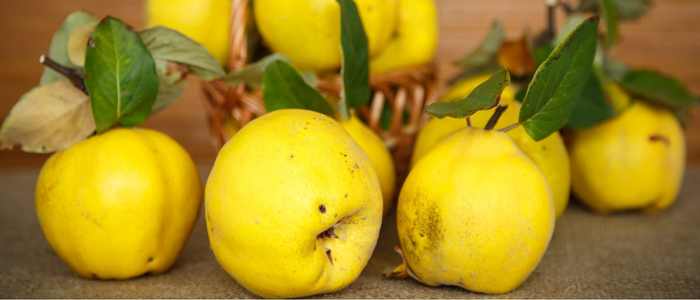
Quince (Cydonia oblonga) is the deciduous fruit tree of the family Rosaceae that can be grown in DC with routine care for its edible fruits.
Why Grow Quince?
Quince trees are hardy and drought-tolerant shrub that adapts to different soil types of DC. It is resistant to shade and doesn’t require much maintenance after being established.
It is attractive adding landscape beauty with its pretty blossoms in late spring. Also, it doesn’t encounter major insect or disease problems. It can be grown in large containers in limited space.
Maintenance And Care
Quince trees prefer full sun and a sheltered location away from strong winds. It can be propagated from hardwood cuttings or budding. It may require another cultivar for cross-pollination and optimal fruit production.
Provide a space of about 16-20 feet apart and prune in winter to thin fruiting wood. It is susceptible to brown rot, leaf blight, and fire blight.
Here is a video on growing quince:
What Is The Easiest Growing Fruit Tree In The District Of Columbia?
The easiest-growing fruit tree in DC home gardens is apples.
Many apple cultivars, including standard, semi-standard, and dwarf types are available for home gardeners with differences in fruit size, colors, ripening period, and disease resistance.
Well-established trees will improve the appearance of the home landscape as a specimen, espaliered or trellised plants. It will produce tasty and fresh fruits for family consumption.
The other fruit trees that can adapt and produce bounty of fruits in DC are pears and cherry trees.
What Is The Best Time To Grow Fruit Trees In The District Of Columbia?
The best time to plant fruit trees in DC is in early spring after the soil can be workable. Few prefer planting from mid-to-late September into fall after the first killing frost.
Many gardeners prefer planting healthy one-year-old trees about four to size feet tall with a good root system. Plant them in a hole deep to accommodate the root ball.
Follow cultural practices until they begin to bear fruits.
FAQs
Yes, pomegranates can be grown in DC but will rarely produce fruits. It can be grown indoors in containers and will sometimes set fruits in the greenhouse as it prefers semi-arid mild temperate to subtropical climates.
Few varieties of cherry blossom trees that bloom in the spring of DC produce cherries. These fruits are tiny, black, and bitter with a large pit. These berries are not edible and are left for the birds and other animals.
Yes, many varieties of grapes, including seedless grape vines, bunch grape vines, and wine grapevines thrive in DC. Muscadine grapevines are cold hardy and can be grown in protected areas. Many varieties are self-fruitful and don’t require another type for producing fruits.
Quick Recap: Top Fruit Trees to Grow In The District Of Columbia
Here is a quick recap of the top fruit trees that can grow well in the District Of Columbia’s climatic conditions.
| Fruit trees | Why Grow? |
|---|---|
| Apple | 1. Many cultivars are suitable for the DC climate 2. Adaptable to different soil types and requires little maintenance |
| Pears | 1. Relatively trouble-free and suitable for DC climate 2. Can fit into any garden space |
| Cherry | 1. Both productive and ornamental fruit trees of DC 2. Compact varieties suitable for small spaces |
| Peach | 1. Hardy and productive fruit trees of DC 2. Dwarf varieties for small spaces and containers |
| Pawpaw | 1. Native fruit tree of USA and adaptable 2. Troubled by fewer pests and diseases |
| Persimmons | 1. Tolerant to different soil types 2. Relatively less troubled by pests and diseases |
| Plum | 1. Easy-to-grow and fast-growing fruit trees of DC 2. Suitable for both beginners and experts |
| Jujube | 1. Requires little maintenance once established 2. Tolerant to drought, salinity, and alkaline soils |
| Mulberries | 1. Tolerant to different soil types and drought 2. Can adapt to different climatic conditions of DC |
| Quince | 1. A tough fruit tree that requires little care once established 2. Adaptable to different soil types and conditions |
Bottom line
I hope this guide has given you many pointers in choosing and growing fruit trees in your DC home gardens.
Do share the guide with your friends and family to help them out too!