

Quick Answer: Best Fruit Trees to Grow in Vermont
The best fruit trees suitable to grow in Vermont’s climate are apples, peaches, plums, apricots, crabapples, cherries, mulberries, persimmons, pawpaw, and quince trees. The best time to plant these fruit trees is in the spring after the soil is thawed and workable.
Are you wondering about the best fruit trees to grow in your Vermont home gardens?
Then, check out this comprehensive guide to help you choose the fruit trees that can adapt to Vermont’s climate and soil conditions.
Keep reading to know more!
Best Fruit Trees To Grow in Vermont
Vermont has a varied climate with strong, snowy winters and warm, humid summers. It has growing zones ranging from 3b to 5b.
It is important to pick the right fruit trees for your specific location in the state to have a bounty harvest.
You can read more about the list of best fruit trees that do well in Vermont.
1. Apple

Hardy Fruit Trees Of Vermont
Apple trees (Malus domestica) are popular, hardy, and commonly grown fruit trees in Vermont’s home gardens with routine care.
Why Grow Apple?
Many cultivars, including Honeycrisp, Gala, Empire, and Liberty, adapt well to Vermont’s climate and produce a good crop every year.
It can handle different soil conditions and can be easily trained. Also, two cultivars can reward your family with enough fruits.
You may opt for dwarf varieties if you are short on space.
Maintenance And Care
Apples prefer when planted in full sun and well-drained soil with a pH of 6-7 away from the wind.
Most cultivars are self-sterile and require another pollinator tree to produce fruits. The standard trees require 20-25 feet of spacing while dwarf types need 6-8 feet apart.
Prune annually to keep trees productive and maintain their shape. It is highly susceptible to scab, canker, fireblight, and mildew.
The complete growing guide of apples is covered here:
2. Peach

Peach trees (Prunus persica) can survive in several sites in Vermont with routine care and protection from frost damage.
Why Grow Peach?
Certain peach varieties, including Reliance and Contender, can be grown in central Vermont for its cold hardiness. It is vigorous, quick to flower, and produces a bounty of fruits.
It can add landscape beauty to your garden with its flower blossoms on the bare branches. Dwarf varieties are available to grow in containers.
Maintenance And Care
Peach trees prefer well-drained soil with ample sun near a south-facing building.
It is self-fruitful and doesn’t require another cultivar to produce fruits. Space standard trees are about 15-20 feet apart while dwarf types require 8-10 feet apart.
Prune annually in late winter to stimulate new growth. The troublesome diseases affecting them are peach leaf curl and leaf spot.
Click here for a complete growing guide of peaches:
3. Plum

A fruit tree that can be easily grown in Vermont home gardens with minimal care and is suitable for beginners is the plum tree (Prunus spp).
Why Grow Plum?
Plum trees are easy to grow and low-maintenance fruit trees of Vermont. It is ideal for novice gardeners or those with limited time.
Also, it is adaptable to varied growing conditions and may tolerate heavy soils.
Maintenance And Care
Plum trees prefer a site with abundant sunlight and well-drained soil.
Space standard trees about 18-20 feet apart while dwarf types need 6-8 feet of spacing. It requires two different cultivars of the same type for producing fruits.
Mulch heavily to keep the roots cool and delay blooming for a few days. Pay attention to black knots, bacterial spots, brown rot, and scab.
You may watch this video for growing and caring plums:
4. Apricots

Apricots (Prunus armeniaca) are another popular stone fruit that can thrive in Vermont’s climatic conditions and soil types with regular maintenance.
Why Grow Apricots?
Different apricot varieties are cold hardy and can thrive in Vermont’s climatic conditions.
Dwarf varieties are available for small spaces and containers. It can also be grown against the wall for space restrictions.
Maintenance And Care
Apricots prefer well-drained, slightly alkaline soil and a protected location away from frost pockets.
The standard trees require about 20 feet of spacing and dwarf types need 7-8 feet apart.Most cultivars are self-fertile and do not require another variety for producing fruits.
Mulch the trees to delay growth and flowering in the spring. The common problems are blossom wilt, silver leaf, and peach leaf curl.
Click this video for growing, caring, and harvesting apricots:
5. Crabapple

Crabapples (Malus spp) are productive and ornamental landscape trees of Vermont for their small size, attractive shapes, and beautiful flowers.
Why Grow Crabapple?
Different varieties, including Sargeant, Centennial, and Harvest Gold are hardy, simple to grow, and can adapt to Vermont’s climate.
It can adapt to different soil types and requires little care once established. It has beautiful white blossoms and is often used as an ornamental tree.
It is suitable for small space gardens.
Maintenance And Care
Crabapples prefer full sun and well-drained soil but may tolerate little shade.
Space the trees about 10-20 feet apart depending on the variety. It requires two different cultivars to produce fruits.
It requires pruning to remove dead, diseased, crossing, and errant branches. A few dreaded diseases that can affect these trees are apple scabs, rust, fireblight, and powdery mildew.
Check out this video on growing and caring for crabapples:
6. Cherry

Cherry trees (Prunus spp) are beautiful landscape plants that can be grown in Vermont orchards for its delicious fruits and spring blossoms.
Why Grow Cherry?
The cold hardy cherry varieties, including Montmorency and North star, can be grown in Vermont. It has few insect and disease problems.
It requires little maintenance once established and is perfect in small spaces and containers. Its spring blossoms add beauty to the landscape. Sour types may tolerate heavier soils.
Maintenance And Care
Cherry thrive in full sun and well-drained soil to grow. Sweet cherry requires two different varieties for cross-pollination while tart varieties do not need cross-pollination.
Stake trees after planting and prune to thin or remove broken branches. One of the biggest problems is birds that can be protected by draping the trees with nets.
It is prone to cherry leaf spots and verticillium wilt.
7. Mulberry

Mulberry trees (Morus spp) are medium-sized trees that are widely grown in Vermont for their adaptability, easy care, and delicious berries.
Why Grow Mulberry?
Mulberry trees are popularly grown in Vermont for being a fast-growing and hardy tree.
It is easy to grow and may tolerate different soil types. It can also be grown against the wall if you don’t have space.
It adds aesthetic beauty to your garden and makes a great choice for beginners due to its minimal care. It also provides shade and is grown as a lawn tree.
Maintenance And Care
Mulberries grow well in well-drained, mildly acidic, and sandy loam soil and full sun.
Prune the branches annually to keep the size manageable. Plant the trees away from pavements to avoid staining by fruits. Use netting to protect the trees from birds.
It can be affected by bacterial leaf spots and American gooseberry mildew.
Here is a useful video on growing mulberries in containers:
8. Persimmon

American persimmon (Diospyros virginiana) is a native fruit tree that can be easily grown in Vermont home gardens with little care and maintenance.
Why Grow Persimmon?
Many American varieties, including Meader, Yates, and Early Golden can survive in Vermont and add tropical flavor to your garden.
It adds landscape beauty with its colorful fruits and leathery foliage. It is easy to grow and can tolerate different soil types and pH.
Also, it requires little care once established and is resilient to most diseases.
Maintenance And Care
Persimmons prefer well-drained loamy soil in a protected spot with a pH range of 6.5-7.5 and ample sun. Most American varieties do not need two varieties for cross-pollination.
It requires moderate pruning annually to remove dead branches and keep the tree strong. It can be troubled by mealybugs or ant pests.
Click this video to grow a persimmon tree:
https://pubmed.ncbi.nlm.nih.gov/29803213/
9. Pawpaw

Pawpaw (Asimina triloba) is a medium-sized understory tree that can thrive in Vermont for its sunny, zesty, tropical fruits.
Why Grow Pawpaw?
Pawpaws can adapt well to Vermont climatic conditions. It can also decorate the landscape with purple flowers in the spring.
It doesn’t have any serious disease or pest problems. Also, it is resistant to deer browsing and black walnut toxicity. It can thrive under the canopy of a taller tree.
Maintenance And Care
Pawpaw prefers moist, slightly acidic soils with protection from the wind and full sun. It can perform well in both full sun and may tolerate partial shade.
It performs best when planted with another cultivar to help with cross-pollination. Prune the trees while dormant in late winter or early spring.
One of the troublesome pests affecting the trees is the pawpaw peduncle borer.
Here is a useful video on growing pawpaws:
10. Quince
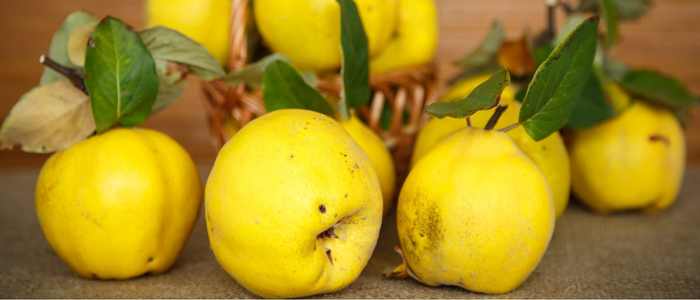
Quince trees (Cydonia oblonga) are easy to grow and maintain that thrive in Vermont due to its pretty blossoms and fruits.
Why Grow Quince?
Quince trees are easy to grow and thrive in Vermont.
It can tolerate a range of soils and can be grown in large containers or trained against the wall if space is limited. It can be both attractive and productive adding landscape beauty to the garden.
Maintenance And Care
Quince grows in deep, fertile, moisture-retentive soil with plenty of organic matter. It can be propagated by budding, grafting, or hardwood cuttings.
Use horticultural fleece to protect the blossoms on smaller trees. Prune while dormant to remove dead, diseased, or damaged stems.
Most of the pests and diseases that can attack the trees are codling moths and quince leaf blight.
Click this link for growing and caring quince trees:
What Is The Easiest Growing Fruit Tree In Vermont?
The easiest-growing fruit tree in Vermont is apples.
Many cultivars of apple trees are available for Vermont home gardeners to choose from. It is adaptable to different soil conditions and requires little care once established.
It is perfect for any garden space, including large orchards, patios, or large containers. It can reward you with tons of fruits.
The other fruit trees that can be grown with little care are peaches and plums.
What Is The Best Time To Grow Fruit Trees In Vermont?
The best time to plant your fruit trees is the early spring as soon as the ground is thawed and workable. Avoid planting in winter as it is very harsh.
It is preferable to plant bare-root trees in a site with six hours of sun. Test the soil for sticky clumps before planting and plant them far away from other structures.
The planting hole should be twice as wide as the root ball of the trees.
FAQs
Vermont has different plant hardiness zones, including 3b, 4a, 4b, 5a, and 5b. The northern regions are in zone 4a while pockets of Orleans and Essex counties are in the colder zones 3b. Southern Vermont will be in the higher 5a or 5b.
Yes, certain fig varieties, including Brown Turkey, Celeste, Hardy Chicago, and Petite Negri are hardy and can be grown in Vermont in spring and summer. These varieties can be grown in containers and brought inside during winter to protect the plant.
The different small fruits that can be grown are raspberries, blackberries, blueberries, grapes, and strawberries. Currants and gooseberries are self-fruitful and can grow in partial shade with good air circulation and well-drained soil. American highbush cranberry can also thrive in the state.
Quick Recap: Top Fruit Trees to Grow In Vermont
Here is a quick recap of the top fruit trees that can adapt to Vermont’s climatic conditions.
| Fruit trees | Why Grow? |
|---|---|
| Apples | 1. Hardy and popular fruit trees of Vermont 2. Rewarding, adaptable, and productive over many years |
| Peach | 1. Cold hardy varieties suitable for central Vermont 2. Dwarf varieties available for small spaces and containers |
| Plums | 1. Prolific and easy-to-grow fruit trees in Vermont 2. Suitable and adaptable for beginners |
| Apricots | 1. Cold hardy varieties suitable for Vermont 2. Can be grown against walls or containers |
| Crabapples | 1. Both productive and ornamental 2. Easy to grow and adapt to Vermont’s climate |
| Cherry | 1. Cold hardy varieties can thrive in Vermont 2. Adds ornamental value to the orchard |
| Mulberries | 1. Easy to grow, hardy, and prolific varieties 2. Requires little care once established |
| Persimmon | 1. American varieties suitable for Vermont with little maintenance 2. Not fussy about soil conditions and trouble-free |
| Pawpaw | 1. Adapt to the climatic conditions of Vermont 2. Relatively less troubled by diseases and pests |
| Quince | 1. Ideal for small spaces and large containers 2. Easy to grow and maintain in Vermont |
Bottom line
I hope this guide has helped you choose the appropriate fruit trees to grow in your Vermont home gardens.
Please do share if you have tips which can be included in the article!
Do share the guide with your friends and family!