

Quick Answer: Best Fruit Trees to Grow in Delaware
The best fruit trees to grow in Delaware are peach, apples, cherries, pear, figs, mulberry, plum, nectarine, pawpaw, apricots, and quince. The best time to grow these fruit trees in Delaware is early spring after the soil conditions are workable.
Are you wondering about the best fruit trees to grow in Delaware?
Then, check out this guide to help you select and plant appropriate fruit trees in Delaware.
Scroll down to know more!
Best Fruit Trees to Grow in Delaware
Delaware has a humid subtropical climate with variations in temperatures and snowfall. Its climate supports the growth of many fruit trees in home orchards.
Before you add plant fruit trees, it is important to choose the suitable varieties that do well in your area.
Let us explore the list of best fruit trees to grow in Delaware in depth.
1. Peach

Versatile Fruit Tree Of Delaware
Peaches (Prunus persica) can be grown throughout Delaware and are popular among home gardeners for their succulent fruits.
Why Grow Peach?
Peach can thrive in the warm and humid summers of Delaware. It is fast-growing and can bear fruits within 1-2 years after planting.
Also, it is attractive in landscapes with early-spring pink flowers on the branches. Dwarf varieties are suitable for small spaces and containers.
Maintenance And Care
Peach trees grow well in well-drained slopes with sandy soil and require 500-900 chill hours below 45oF. The standard types need spacing of 18-20 feet.
Most varieties are self-fertile and require only one tree to produce fruit. Prune when the trees bear fruits keeping an open center. It is susceptible to peach leaf curl.
The complete growing guide of peach is covered here:
2. Apple

Popular Fruit Tree Of Delaware
Apple trees (Malus domestica) are popular fruit trees that thrive in Delaware’s climate and soil types.
Why Grow Apple?
Many apple varieties are hardy and suitable for the Delaware climate. It is easy to grow and can adapt to different soil types.
It needs less maintenance once established and will give you a huge harvest right off the tree. Dwarf varieties are available for small spaces and patios.
Maintenance And Care
Apple trees need full sun and well-drained soil. It requires at least two different cultivars to get good fruit. The standard trees need 35 feet apart of spacing, and dwarf types need 10-15 feet of spacing.
The fruit requires thinning right after the undeveloped fruit drops off. Prune manually during the dormant season. It is susceptible to aphids, apple scabs, and powdery mildew.
Check out this detailed guide to growing apples in containers:
3. Cherry

A fruit tree that is both productive and rewarding with its fruits for home gardeners in Delaware is the cherry (Prunus spp).
Why Grow Cherry?
Both sweet and sour cherries do well in Delaware. It also has the benefit of being an ornamental tree with its showy spring blossoms.
Sour cherries are less susceptible to pests and disease problems. Also, it is naturally smaller trees than sweet cherries making it easy to manage.
Maintenance And Care
Cherries prefer well-drained soil and full sun. Sweet cherries require a spacing of 20-25 feet while sour types need to be 15-20 feet apart.
Most sour types do not cross-pollination. It is prone to damage by bacterial canker, cherry leaf spot, and birds. You may use netting, scare-eye balloons, and devices to outwit the birds.
Here is a video on the complete growing guide of cherry:
4. Pear

Pear trees (Pyrus communis) are cold hardy fruit trees that make it a perfect addition to Delaware home gardens.
Why Grow Pear?
Pears are easy to grow in Delaware as it is hardy. It is a perfect fruit tree for beginners as it requires little attention once established.
It is relatively disease and pest free. It is easy to train as espaliers and is attractive in the landscape with pretty spring blossoms and glossy foliage.
Maintenance And Care
Pears grow best in well-draining soil with a pH between 6-7. The standard trees require spacing of 15-20 feet apart.
Most varieties require at least two different cultivars for pollination. Prune the trees in late winter to the central leader. One of the biggest threats to these trees is fireblight.
Check out this video to grow pears:
5. Fig

Fig trees (Ficus carica) make a nice addition to Delaware landscapes and can be grown outdoors and indoors with winter protection.
Why Grow Fig?
The cold-hardy figs, including Celeste, Brown Turkey, and Hardy Chicago can survive in the climate of Delaware.
It is resistant to many diseases and pests. It can also be grown in containers if having limited space and brought inside the house over the winter.
Maintenance And Care
Figs perform on a wide range of soils with pH 6-6.5 and sunny, protected locations in the early spring or fall. Space them at least 20 feet away from the buildings or other trees.
It requires little pruning to remove dead, diseased, or weak branches. Protect the trees with fruits by draping them with a net from birds or squirrels.
Here is a video on growing figs:
6. Mulberry

Native to North America, red mulberries (Morus rubra) are easy to grow in Delaware home gardens with spreading crowns and tasty berries.
Why Grow Mulberry?
Red mulberries are hardy, cold-tolerant, and fast-growing fruit trees of Delaware. It can survive drought and extended flooding once established.
It is generally free of pests and diseases. It can thrive with little maintenance and also has ornamental value.
Maintenance And Care
Mulberries prefer loose, well-draining soil and can be propagated by seeds or cuttings. It is recommended to plant them away from paved surfaces to prevent the staining of fruits.
Prune when the branches are less than two inches in diameter and dormant for growing toward the desired shape. It can be troubled by cankers, dieback, and birds.
Click on this link for easy way to grow mulberries in containers:
7. Plum

Plum trees (Prunus domestica) are hardy fruit trees that can handle Delaware’s climatic conditions and add landscape beauty to home gardens.
Why Grow Plum?
Many varieties of plums are cold hardy and can survive in Delaware home gardens. It can be both rewarding and productive giving huge yields.
It is suitable for both beginners and expert gardeners. It requires little maintenance once established.
Maintenance And Care
Plums thrive in well-draining sandy or loamy soil with a pH between 5.5-6.5 in full sun. The standard trees need 18-20 feet of spacing. It requires two different cultivars of the same type for bearing fruit.
Prune in late spring, and it takes 4-6 years to bear fruit. A few problems affecting the trees are plum aphids, plum moths, and pocket plums.
Check out this link for tips on growing plums in containers:
8. Nectarine

Another stone fruit tree that can thrive in Delaware climatic conditions and soil types is nectarines (Prunus persica var.nucipersica).
Why Grow Nectarine?
The hardy varieties of nectarines thrive in Delaware. It can be fan-trained against the wall, and dwarf varieties can be grown in pots.
It requires little care once established to produce a worthwhile crop in the garden.
Maintenance And Care
Nectarines thrive in well-drained fertile soil and full sun. It needs a spacing of 18-20 feet for standard trees. Many cultivars are self-fertile and need only one variety to produce fruits.
The standard trees need 4-6 years to produce fruits and require pruning in late winter. It can be troubled by peach leaf curls, brown scales, and squirrels.
Here is a video on growing and caring for nectarines:
9. Pawpaw

Pawpaw (Asimina triloba), native to North America is a deciduous tree that can survive in Delaware for its tropical-flavored fruits.
Why Grow Pawpaw?
Pawpaws are hardy and well suited to Delaware’s edible landscape due to its small size. It has relatively fewer pest and disease problems than other fruit trees.
It is perfect to add tropical flavor to your landscape. Also, it is tolerant to shade and is suitable for intercropping with other trees.
Maintenance And Care
Pawpaws grow in well-draining soil and flourish in partial shade. It can survive under the canopy of a taller tree. It can be propagated by grafting and cuttings.
It requires balanced fertilization at least twice a year. It performs better with two different cultivars for fruit production. It can be troubled by pawpaw peduncle borer, powdery mildew, or black spot.
You may watch this video for growing pawpaws:
10. Apricot

Apricots (Prunus Armeniaca) are popular stone fruit trees that can adapt well to Delaware climate and soil conditions.
Why Grow Apricot?
Apricots are easy to grow, early bloomers, and care for in Delaware. It can be a perfect addition to the home orchards with early springs.
It is suitable for a limited amount of space and dwarf varieties are suitable for containers on the patio. It can also be trained against the wall.
Maintenance And Care
Apricots thrive in well-drained soil and full sun. The standard trees need spacing of 18-20 feet and most cultivars need only one tree to produce fruit.
Prune annually in early spring or late fall to increase sun exposure and air circulation. It is prone to powdery mildew, European brown rot, and sap-feeding insects.
You may watch this video for growing apricots:
11. Quince
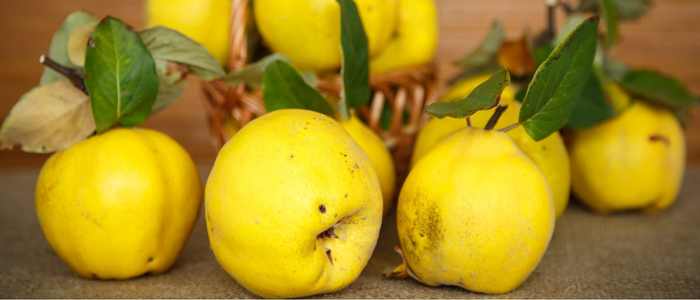
Quince trees (Cydonia oblonga) are another undemanding fruit trees that grow to a manageable size and are a perfect addition to a smaller yard.
Why Grow Quince?
Quince trees are easier to grow in Delaware. It is easy to manage with fewer pest problems. A mature tree will provide excess fruits for a family.
It can adapt to most soil types. It doesn’t take up a lot of space in the yard and is long-lived.
Maintenance And Care
Quince trees grow best in deep, fertile, moisture-retentive soil and can tolerate shade. It will perform better with more than two cultivars.
It can be propagated via budding, grafting, cuttings, and removing suckers. It can be troubled by brown rot, codling moth, and quince leaf blight.
Check here for growing, harvesting, and caring for quince fruits:
What Is The Easiest Growing Fruit Tree In Delaware?
The easiest-growing fruit tree in Delaware is the peach.
Many peach varieties are cold hardy and can adapt well to Delaware’s climate. It can fit into small spaces and large containers. It can also be fan trained against the south-facing wall.
It is also attractive in the home gardens and landscapes with its early-spring pink flowers. The other trees that can grow with little care and maintenance in Delaware are apples and cherries.
What Is The Best Time To Grow Fruit Trees In Delaware?
The best time to grow fruit trees in Delaware is early spring (March-April) as soon as the ground can be worked.
Place the trees in the hole and add 4-6 inches of soil to the hole and fill the hole to within 3-4 inches of the top. Add a tree guard to protect against rodents. Add a small amount of fertilizer two weeks after planting.
FAQs
A few apple varieties that grow well in Delaware and are resistant to apple scab are Crimson Crisp, Enterprise, and Gold Rush. The other varieties that can grow well are Red Delicious, Rome Beauty, Winesap, Jonathan, and York.
Yes, you may grow lemon trees in pots in Delaware as they are subtropical and require warm temperatures to survive. It has to be grown inside during cold weather. It can be moved outdoors when temperatures are warm.
Blackberries, raspberries, and strawberries are the popular small fruits that can be grown in Delaware home gardens. Highbush blueberries are long-lived berries that can adapt to different regions of Delaware.
Quick Recap: Top Fruit Trees to Grow In Delaware
Here is a quick recap of the top fruit trees that can adapt to Delaware’s climatic conditions.
| Fruit trees | Why Grow? |
|---|---|
| Peach | 1. Thrive in the climate of Delaware 2. Fast-growers and relatively trouble-free |
| Apples | 1. Rewarding and productive for home growers 2. Many cultivars suitable for Delaware’s climate |
| Cherry | 1. Both sweet and sour types thrive in Delaware 2. Productive and ornamental with showy flowers |
| Pear | 1. Easy to grow, handle drought, and requires less maintenance 2. Can adapt to any garden space |
| Figs | 1. Container-friendly and suitable for small spaces 2. Cold hardy varieties for Delaware climate |
| Mulberry | 1. A fast-growing deciduous tree of Delaware 2. Requires less maintenance and is relatively trouble-free |
| Plum | 1. Suitable for both beginners and experts 2. Both rewarding and productive |
| Nectarine | 1. Cold hardy varieties suitable for Delaware 2. Can also be grown in pots or trained against the wall |
| Pawpaw | 1. Add a tropical flavor to the Delaware home gardens 2. Relatively pest and disease free |
| Apricots | 1. Can be grown as trees or in pots 2. Hardy fruit trees that can thrive in Delaware |
| Quince | 1. Suitable for small gardens and are long-lived 2. Requires less maintenance and has fewer pest problems |
Bottom line
Hopefully, this guide has helped you choose fruit varieties that are well-suited for your Delaware home gardens.
I am interested to hear your thoughts and suggestions on growing fruit trees in Delaware.
If you find the guide helpful, please share it with your friends and family!