

10 Best Vegetables to Grow in Kansas
Kansas has a temperate but continental climate with significant seasonal temperature extremes but few extended periods of extreme heat or cold.
The climate in Kansas is ideal for growing both delicate summer crops and hardy winter vegetables.
Kansas soil profile is ideal for growing vegetables. It constitutes 70 percent silt, 15 percent clay, and 15 percent sand.
Given below are the ten best vegetables you can grow.
1. Peas
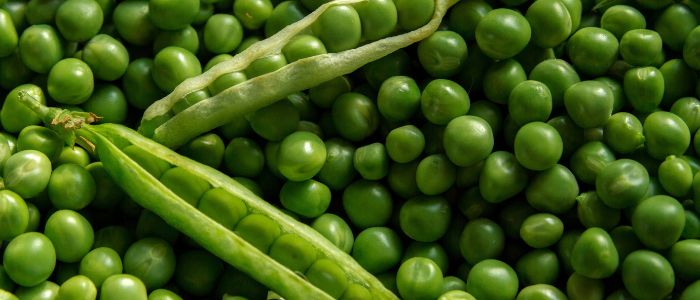
Peas (Pisum sativum), one of the oldest and most commonly cultivated vegetables that are indigenous to the Mediterranean region, is the first one on our list.
Peas are annual plants with a one-year life cycle.
Why Grow Peas?
Peas are the number one cold-hardy plant grown in Kansas gardens. They can be planted when the soil is ready in the spring.
Peas are legumes, and their roots have nodules that help in nitrogen fixation and thus enrich the soil.
They can be grown in a vertical garden or on raised beds and do not take up much space.
Maintenance and Care
Here are a few points to remember while caring for your plants:
- Prepare the soil in the fall season by turning in a lot of compost or rotted manure.
- The bacteria involved in nitrogen fixation could be less active in cold soil, hence in the early stages after planting, provide light organic fertilizer.
- Provide a trellis or something similar to support the vines.
- Diseases and pests: root rots, mildew; aphids, pea weevils.
Here’s a complete guide for growing peas
2. Beans

Beans (Phaseolus vulgaris) are another group of pulses you can grow well. This warm-season plant is native to Peru and lives for around two years.
Why Grow Beans?
Beans are perfect for your Kansas spring or fall and will easily survive hot summers. They are drought-hardy and do not require a lot of water to grow.
They require less space and can be grown into a vertical garden.
There are wide varieties, from snap to bush to pole, all of which are easy to grow and can be harvested more than once.
They are leguminous plants with nitrogen-fixing root nodules.
Maintenance and Care
Here are a few points to remember while caring for your plants:
- Beans have a shallow root system that necessitates careful cultivation, weed control, and watering during dry periods.
- Beans are sensitive to salts in the soil.
- Diseases and pests: bacterial blight, bean leaf beetle.
A growing guide for bush and pole beans:
3. Squash

Squash or Cucurbita is not one single vegetable but a genus of herbaceous vegetables in the gourd family.
Native to Central America and Mexico, the lifespan of these plants can vary from a few months to several years, depending on the type of plant.
Why Grow Squash?
It is a very versatile vegetable. Some varieties can be grown in cold weather, others in warm weather, and some in both.
Winter squash is used at its mature stage and grows on trailing vines, whereas summer squash is used when it is young and grows on compact, non-sprawling vines.
Established plants are low maintenance and fairly tolerant of dry soil conditions.
Squash is a cross-pollinator, you can plant them next to tomatoes, beans, carrots, or cucumbers.
Maintenance and Care
Here are a few points to remember while caring for your plants:
- Although it prefers routine watering, squash does not like constant moisture.
- Black plastic mulch has weed-controlling and soil-warming qualities that are advantageous to squash.
- Diseases and pests: powdery mildew; squash bugs.
A growing guide for zucchini and bush squash:
4. Tomato
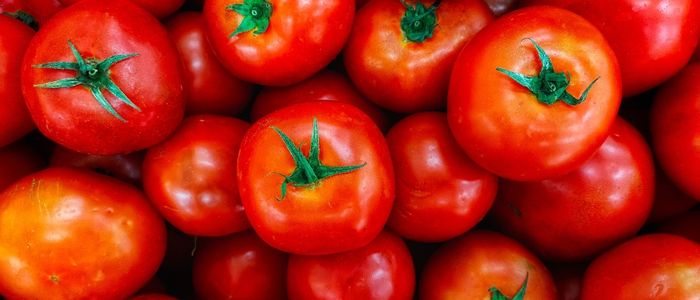
The tomato (Lycopersicon esculentum) is a South American native. It is a common garden plant, and the berries come in a variety of forms, proportions, and hues.
The typical lifespan of a plant is one growing season.
Why Grow Tomato?
Tomatoes are adapted to the summertime climate in Kansas and thrive when given a consistent flow of moisture.
Tomatoes continue to grow larger and more numerous as the summers become hotter.
They are versatile, simple to grow, and productive in small garden spaces.
They are plentiful producers and can be grown in pots, window boxes, raised beds, vertical gardens, etc.
Maintenance and Care
Here are a few points to remember while caring for your plants:
- They need a fertile, well-drained, sunny location with at least a half-day of sun.
- They should be staked or caged to withstand strong winds due to their increased weight as they grow.
- Excessive fertilization may result in cat-facing, blossom drop, and fruit deformities.
- Diseases and pests: blossom end rot, leaf blight diseases, mites, aphids, fruit worms, or hornworms.
An easy guide to growing tomatoes:
5. Pepper

Peppers (Capsicum annuum) a close relative of tomatoes, come in a wide range of colors, sizes, and flavors. The plant is native to Mexico and has a lifespan of 3-5 years.
Why Grow Pepper?
Even though peppers are tropical, they can flourish in the warm summer months in Kansas. They perform better as the summer heats up.
Additionally, you will have more peppers the longer summer lasts.
They can be grown in pots or containers and hence do not take up much space. They produce well for the space they’re given.
They are typically insect hardy.
Maintenance and Care
Here are a few points to remember while caring for your plants:
- Peppers flourish in fertile, well-drained soil.
- During dry spells, they must receive consistent water or they will develop blossom end rot.
- Nitrogen fertilization in excess can harm pepper plants.
- Diseases and pests: blossom end rot, tobacco mosaic virus; aphids.
A growing guide on peppers:
6. Eggplant
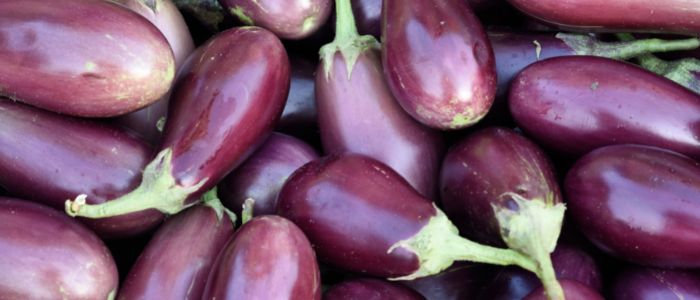
Eggplant (Solanum melongena) is a close relative of pepper and tomato. The plant, which is thought to have originated in India, typically lives for a year.
Why Grow Eggplant?
Eggplant is yet another plant that loves Kansas’s summer heat. They would especially flourish in the summer rains that Kansas gets.
Since insects are not necessary for the external pollination of eggplants, the plant can be covered to ward off pests.
Numerous varieties of eggplant are available, most of them significantly drought tolerant.
Maintenance and Care
Here are a few points to remember while caring for your plants:
- The plant can be mulched to lessen the stress of heat and drought.
- To avoid bruising, eggplants must be harvested gently.
- To keep plants productive, remove and discard any overgrown fruit.
- Diseases and pests: flea beetles and other leaf-feeding insects.
A growing guide for eggplant:
7. Carrot

Carrot (Daucus carota), one of the most popular root vegetables, is native to modern-day Iran and Afghanistan. The plant is biennial.
Why Grow Carrots?
Carrots are a cool-season vegetable that can grow well in Kansas in the spring or fall.
The plants require very little care and can survive the hot sun but perform best when planted in the early spring.
Carrots are rich in fiber and vitamin A.
Maintenance and Care
Here are a few points to remember while caring for your plants:
- Avoid heavy watering that could cause a crust to form on the soil surface until carrot seeds begin to sprout.
- Hard, compacted soils cause carrots to develop that are misshaped or forked.
- Weeds compete with young plants, so weeding must be done carefully.
- Diseases and pests: carrot weevil.
A guide to growing carrots in containers:
8. Radish

Radish (Raphanus sativus) originated from China. This spicy, crisp, and zesty root vegetable has a lifespan of 2 years.
Why Grow Radish?
It is a cool-weather vegetable that can be grown in early spring or as a fall vegetable in Kansas. Because of this, they are among the first vegetables to be harvested.
They require less care and less space to grow.
Radishes are known for their rapid growth and can be harvested three weeks after planting.
Maintenance and Care
Here are a few points to remember while caring for your plants:
- Radishes’ flavor becomes stronger and hotter as the weather warms.
- Radishes need regular, frequent watering and loose, well-drained soil.
- An excessive amount of nitrogen fertilizer can promote lush tops with small radishes.
- Diseases and pests: flea beetles, root maggots.
A guide to growing radishes:
9. Lettuce

Lettuce (Lactuca sativa) is an annual plant often grown as a leaf vegetable and sometimes grown for its seeds and stem.
It originated in the Mediterranean area and generally lives 65–130 days from planting to harvesting.
Why Grow Lettuce?
It is a cold-weather plant that can grow well in Kansas’s cool spring or fall. It can even survive in the presence of snow or frost.
It is very easy to grow, grows quickly, can be planted in any soil, and require little care.
It does not take up much space and produces for a long time.
Maintenance and Care
Here are a few points to remember while caring for your plants:
- Lettuce has a fairly spindly root system and shallow roots.
- It’s essential to fertilize and water plants frequently.
- Root or head rots can result from overwatering in heavy soil.
- Diseases and pests: tip-burn; aphids.
A guide to growing lettuce:
10. Kale

Kale or leaf cabbage (Brassica oleracea var. sabellica) are mostly grown for their edible leaves, but some are also ornamentals.
Kale originated in the eastern Mediterranean and Anatolia and is biennial.
Why Grow Kale?
One of the vegetables that can withstand extremely low temperatures while maintaining its distinctive dark green to purple color.
Aside from the vegetable perspective, Kale can also be grown for its ornamental value and can add beauty to your vegetable patch
Fresh Kale lasts for 1-2 weeks and is a good source of vitamins A and C.
Maintenance and Care
Here are a few points to remember while caring for your plants:
- Kale needs to be fertilized and kept well-watered.
- Apply a high-nitrogen fertilizer as necessary.
- Mulch the soil to control weed growth, hold on to moisture, and keep kale cool.
- Diseases and pests: aphids
A growing guide for kale:
What is the easiest growing vegetable in Kansas?
What is the best time to grow vegetables in Kansas?
FAQs
Quick Recap: Top Vegetables to Grow In Kansas
| Vegetable | Why grow? |
|---|---|
| Peas | 1. Cold hardy 2. Nitrogen-fixing |
| Beans | 1. Drought hardy, less space 2. Nitrogen-fixing |
| Squash | 1. Summer and winter varieties 2. Low maintenance once established |
| Tomato | 1. Require less space, remarkably productive 2. Thrives in summer |
| Pepper | 1. Require less space 2. Produce well for the space given |
| Eggplant | 1. Drought tolerant 2. Do not require an external pollinator |
| Carrot | 1. Need little care 2. Thrive well in cold |
| Radish | 1. Fast growth 2. Requires less space |
| Lettuce | 1. Cold hardy 2. Easy to grow |
| Kale | 1. Cold hardy 2. Ornamental |