

Quick Answer: Best Trees to Plant in Missouri
The best trees to plant in Missouri are pawpaw, bad cypress, eastern red cedar, jack pine, pecan, black gum, downy serviceberry, sycamore, flowering dogwood, hackberry, Kentucky coffee tree, persimmon, river birch, tulip tree, and black oak. It is preferable to plant these trees in early spring or fall.
This is a complete guide to help you choose the best trees to plant in Missouri home lawns.
I have brainstormed different research articles and insights from fellow gardeners to provide you with an extensive list.
Keep reading further to know more!
Best Trees to Plant in Missouri
Missouri has a mostly seasonal humid subtropical climate with long summers and cool winters. Its climate allows diverse trees to be planted in the state.
The different trees that can be planted are native, evergreen, and deciduous for landscape beauty and to provide shade.
Listed below are the trees that are best suited for Missouri home gardens.
1. Pawpaw

Popular Fruit Tree Of Missouri
Pawpaw (Asimina triloba) is a popular fruit tree in Missouri home gardens that can flourish as a landscaping tree.
Why Grow Pawpaw?
Pawpaw is a smaller deciduous tree that produces delicious fruits throughout Missouri. It adds tropical flavor to your garden.
It is cold hardy and can survive as an understory tree. It is relatively free from pests and diseases.
Maintenance And Care
Pawpaws grow best in fertile, well-drained soil and full sun with protection from winds. It is propagated from seeds, grafts, and cuttings.
It requires regular watering and well-balanced fertilizers twice a year. Pawpaw peduncle borer may cause blossoms to drop prematurely.
Here is a useful video on growing pawpaw:
2. Bald Cypress

Long-lived Tree Of Missouri
The bald cypress (Taxodium distichum) is a tough tree that is well suited for the climatic conditions of Missouri and larger lawns.
Why Grow Bald Cypress?
Bald cypress is long-lived and adaptable to climatic areas of Missouri. It is popular among home gardeners for its ornamental value and majestic form.
It may tolerate different soil conditions and requires low maintenance once established. Its soft and durable wood is used for construction.
Maintenance And Care
Bald cypress prefers moist, acidic, sandy, and well-drained soil.
It is preferable to add slow-release fertilizer and perform cosmetic pruning. It may be occasionally affected by bagworms and spider mites.
Check out this video to know more about growing bald cypress:
3. Eastern Red Cedar

Eastern red cedar (Juniperus virginiana) is a needled evergreen that can adapt to the growing conditions of Missouri home gardens.
Why Grow Eastern Red Cedar?
Eastern red cedar is popular in Missouri for landscaping with its attractive red bark. It is long-lived, fast-growing, and used as a windbreak.
It thrives in a wide range of soils and climatic conditions. It is relatively disease and pest-free.
Maintenance And Care
Eastern red cedar prefers rich, moist, well-draining soils and full sun. It can be propagated via cuttings.
Prune in the dormant season to remove dead and diseased branches. The common diseases are cedar apple rust and blight.
You may watch this video to transplant eastern red cedar:
4. Jack Pine

Jack pine (Pinus banksiana) is another evergreen tree that might be a good choice for Missouri home lawns due to its low maintenance.
Why Grow Jack Pine?
Jack pine is a conifer tree that is easy keepers and requires little maintenance once established in Missouri. It is hardy and adds landscape beauty. Also, it can handle drought and generally does not need fertilizer.
Maintenance And Care
Jack pine thrives in loamy, well-drained soils with acidic sic oH and full sun. It can be propagated by cuttings and doesn’t require pruning due to its free-styling nature.
It can be prone to budworms, weevils, or boring insects.
Click this link to know more about the characteristics of Jack pine:
5. Pecan

Pecan (Carya illinoinensis) is a large tree with a narrow, pyramid-shaped crown that is grown in Missouri for its thin-shelled nuts.
Why Grow Pecan?
Pecan is a beautiful tree that gives bountiful yields for Missouri home gardeners.
Many cultivars are available for home growers to choose from. Also, it has appeal as a shade tree.
Maintenance And Care
Pecan trees prefer deep, well-drained soils with pH 6-7.5. It needs ample water throughout the growing season and nitrogen fertilization twice a year for consistent nut production.
Prune the branches to promote a strong trunk. Pecan scab is one of the troublesome pests.
You may watch this video to know more about planting to harvesting pecans:
6. Black Gum

Black gum (Nyssa sylvatica) is one of the popular tall trees of Missouri that adds beauty to the garden with its reliable, red fall color as a landscape specimen.
Why Grow Black Gum?
Black gum is easy to grow in Missouri home gardens.
It can tolerate poorly drained soils and has few disease problems. It requires little care once established and attracts pollinators.
Maintenance And Care
Black gum thrives in acidic, well-drained soils and full sun to partial shade. It can be propagated by cuttings.
Fertilize with a slow-release granular fertilizer annually in the fall and prune to remove damaged or diseased parts. Watch out for cankers, leaf miners, and scale.
Here is a useful video on growing black gum:
7. Downy Serviceberry
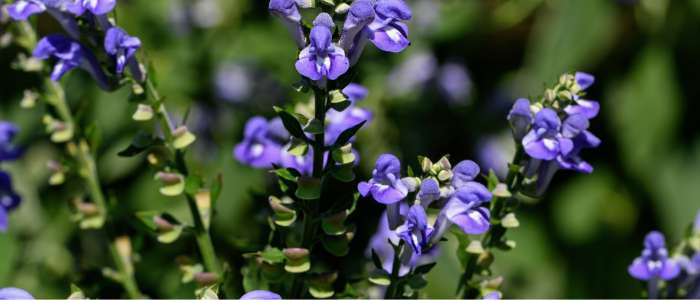
Downy serviceberry (Amelanchier arborea) is a popular native tree that can be used for landscaping and edible fruits.
Why Grow Downy Serviceberry?
Downy serviceberry adds beauty to Missouri yards with its showy white flower and edible red fruits.
It also has wildlife value and acts as an early spring nectar source for pollinators. It requires little maintenance once established.
Maintenance And Care
Downy serviceberry prefers full sun and moist, well-drained, acidic soil. It can be propagated from seeds or softwood cuttings.
Fertilize the trees with an all-purpose fertilizer in the spring which requires regular pruning. It can be bothered by fire blight, leaf miner, and sawfly.
Check out this video for additional information on downy serviceberry:
8. Sycamore

American sycamore (Platanus occidentalis) is a large deciduous tree with a massive trunk that can be grown in Missouri for its fast growth.
Why Grow Sycamore?
Sycamore is a large fast-growing tree with impressive stature that adds beauty to Missouri home gardens. It can adapt to different soil conditions.
It is tolerant to pollution, wind, wet soil, and drought. It also acts as a good shade tree.
Maintenance And Care
American sycamore is best suited for moist, well-draining soils and full sun to partial shade. It can be propagated by seeds or cuttings.
It requires all-purpose fertilizer in early spring. One of the troublesome diseases is anthracnose which disrupts bud and leaf formation.
Check out this video for additional information on American sycamore:
9. Flowering Dogwood

Flowering dogwood (Cornus florida) is the state tree of Missouri that can add landscape beauty with its colorful blooming and bright red fruits.
Why Grow Flowering Dogwood?
Flowering dogwood can tolerate a range of soil conditions in Missouri. It is a popular landscaping plant due to its ornamental features and wildlife value. It requires low maintenance once established.
Maintenance And Care
Flowering dogwood prefers organically rich, well-drained soil with slightly acidic and full sun to partial shade. It can be propagated by cuttings and pruned lightly to maintain the shape. It is susceptible to anthracnose and root diseases.
You may watch this video to know more about growing flowering dogwood:
10. Hackberry

Hackberry (Celtis occidentalis) is a resilient and adaptable tree of Missouri that is well known for its good natural form and warty bark.
Why Grow Hackberry?
Hackberry is adaptable and tolerates a wide range of soil conditions in Missouri. It is hardy and resistant to pests and diseases. It is an energy-conserving shade tree and requires low maintenance.
Maintenance And Care
Hackberry thrives in full sun and rich, well-draining soils and full sun but may tolerate partial shade.
It is best propagated by seeds. It may need occasional pruning while they are dormant. Pay close attention to aphid infestation and lace bugs.
Here is a useful video on growing hackberry:
11. Kentucky Coffee Tree

Kentucky coffee tree (Gymnocladus dioicus) is a medium tree with large leaves and decorative pods that can be used to decorate your Missouri landscape.
Why Grow Kentucky Coffee Tree?
Kentucky coffee tree is an attractive shade tree of Missouri offering airy shade beneath the branches. It is easy to grow in appropriate climates.
It is adaptable to different soil types and conditions. It is tolerant of drought and air pollution.
Maintenance And Care
Kentucky coffee tree prefers rich, well-draining soils in full sun. It can be grown from seeds or root cuttings and requires light pruning during dormancy. Leaf litter can become a problem due to its large leaves.
Check out this video to know more about growing Kentucky coffee trees:
12. Persimmon

Another fruit tree that is a perfect addition to the home garden of Missouri is persimmon (Diospyros virginiana).
Why Grow Persimmon?
Persimmons are easy to grow in Missouri and are adaptable to a range of soil conditions. It is drought-tolerant and relatively free from pests and diseases.
Maintenance And Care
Persimmon prefers loamy, well-draining soil with a pH of 6-6.5 and full sun to partial shade. Avoid planting in frost pockets.
Apply balanced fertilizer annually in early spring or late winter and prune the tree to a central leader. Few pests troubling the trees are mealy bugs, scales, and persimmon psylla.
The complete growing guide of persimmon is covered here:
13. River Birch

River birch (Betula nigra) is a native deciduous tree of Missouri that can be grown throughout the state with little maintenance.
Why Grow River Birch?
River birch is a fast-growing tree with showy foliage. It is adaptable to the hot and humid summer of Missouri.
It is relatively trouble-free and resistant to pests and diseases. It can be used as a shade tree.
Maintenance And Care
River birch prefers moist and well-drained soil with a slightly acidic pH. Spread a three-inch layer of mulch around the tree and fertilize only if trees show distress.
It is pruned in fall and winter. It may succumb to birch leafminer.
Check out this video for tips on growing river birch:
14. Tulip Tree

The tulip tree (Liriodendron tulipifera) is a deciduous tree that adds landscape beauty to your garden with its beautiful cup-shaped flowers and yellow fall color.
Why Grow Tulip Tree?
The tulip tree is one of the fast-growing and most attractive trees in Missouri. It is an easy keeper that can be used as a shade tree. It helps in attracting pollinators and is relatively resistant to diseases.
Maintenance And Care
Tulip tree is best grown in well-draining, rich soil in full sun away from large buildings. It is propagated by cuttings and requires granular or liquid fertilizers.
Prune them annually to keep them shaped. It is susceptible to scale and aphids.
Check out the video for features of tulip trees:
15. Black Oak

Black oak (Quercus velutina) is a medium-sized tree with a wide-spreading growing habit and is suitable for larger lawns in Missouri.
Why Grow Black Oak?
Black oak is relatively easy to grow and can be used as landscaping and windbreaks in Missouri home gardens.
It supports the number of pollinators. Also, it makes it a good shade tree for large landscapes.
Maintenance And Care
Black oak requires full sun and well-drained soil with slightly acidic soil. It can be propagated from seeds and doesn’t need additional fertilizers under proper conditions. It can be troubled by gypsy moth, chestnut borer, and leaf scorch.
You may watch this video for growing black oak:
What Is The Easiest Growing Tree In Missouri?
The easiest-growing tree in Missouri is the pawpaw.
Pawpaws are easy to grow and care for in Missouri home gardens. It can be grown as understory trees under the canopy of larger trees.
Aside from adding landscape beauty with golden leaves, and maroon flowers, it provides tropical-flavored fruits for your family. It is affected by a few pests and diseases.
The other trees that can be grown by Missouri gardeners for their easy care are bald cypress and eastern red cedar.
What Is The Best Time To Plant Trees In Missouri?
The best time to plant trees in Missouri is either in early spring from April through June. It can also be planted in the fall from late August into October.
The planting hole has to be at least one foot wider than the root system. Water thoroughly after planting to settle the soil and remove air pockets.
FAQs
Flowering dogwood became the state tree of Missouri. The tree is small with tiny greenish-yellow flowers adding landscape beauty. It prefers deep, moist but well-drained soils but avoids deep plant and hot, dry exposure.
The best evergreen trees that are suitable for Missouri home gardens are white pine, Austrian pine, scotch pine, Japanese black pine, mugo pine, Norway spruce, black hills spruce, hemlock, juniper, and fir. The green foliage helps in adding landscape beauty.
A few flowering trees appropriate for Missouri are flowering dogwood, red buckeye, wild plum, eastern redbud, fringe tree, and pawpaw. These trees help sustain wildlife and attract pollinators to the gardens.
Quick Recap: Top Trees to Plant In Missouri
Here is a quick recap of the top trees that can adapt to Missouri home lawns:
| Trees | Why Grow? |
|---|---|
| Pawpaw | 1. Deciduous hardy fruit tree of Missouri 2. Relatively trouble-free and resistant to pests |
| Bald cypress | 1. Tolerates different soil conditions and low maintenance 2. Long-lived and durable tree of Missouri |
| Eastern red cedar | 1. Long-lived and fast-growing evergreen trees of Missouri 2. Adapt to different soil conditions and has ornamental value |
| Jack pine | 1. Conifer trees that add landscape beauty 2. Easy keepers and requires less maintenance |
| Pecan | 1. The popular nut tree is grown for landscape beauty in Missouri 2. Act as a shade tree |
| Black gum | 1. Easy to grow and care for in Missouri gardens 2. Tolerate different soil types and conditions |
| Downy serviceberry | 1. Adds landscape beauty to Missouri home gardens 2. Requires little care once established |
| American sycamore | 1. Make a landscape specimen and shade tree in Missouri home lawns 2. Tolerant to different growing conditions |
| Flowering dogwood | 1. Popular landscape beauty due to its bloom 2. Tolerates different soil types and requires low maintenance |
| Hackberry | 1. Adaptable to different soil conditions and drought 2. Act as a shade tree |
| Kentucky coffee tree | 1. Ornamental shade tree perfect for Missouri climate 2. Tolerates drought and air pollution |
| Persimmon | 1. Adaptable to different soil types and drought-tolerant 2. Resistant to different pests and diseases |
| River birch | 1. Fast-growing showy tree of Missouri 2. Relatively trouble-free and not affected by pests and diseases |
| Tulip tee | 1. Fast grower and easy keeper of Missouri 2. Attracts pollinators and acts as a shade tree |
| Black oak | 1. Landscape beauty and windbreak in Missouri 2. Acts as a shade tree and attracts pollinators |
Bottom line
Hopefully, this guide has helped you shortlist the trees to grow on your Missouri lawns.
Do pour in your suggestions!