

Quick Answer: Best Vegetables to Grow in Oklahoma
The best vegetables to grow in Oklahoma are leafy vegetables (lettuce, chard, cabbage), root vegetables (onions, potatoes, radish, turnip, garlic), peas, squash, tomatoes, beans, okra, corn, and asparagus. The best time to grow these vegetables are from early spring to late fall.
This guide is an elaborate list of vegetables suitable to grow in the climatic conditions of Oklahoma.
I have poured hours of research into various books, research articles, and gardening experts into arriving at this list.
Best Vegetables to Grow in Oklahoma
Oklahoma has a temperate humid subtropical climate in the east to semi-arid in the west. The summers are longer, while the winters are shorter.
Its wide array of soil types and climatic conditions makes it ideal for growing various vegetables.
Next, let us discuss the list of best vegetables in Oklahoma.
1. Lettuce

Easy-to-grow Cool-season Vegetable
A semi-hardy vegetable that can be grown early in the spring of Oklahoma is lettuce (Lactuca sativa) from the sunflower family.
Why Grow Lettuce?
Wide varieties of lettuce, including leaf, bibb, and romaine, are easy to grow in Oklahoma. Also, it grows well in containers if you have a small balcony.
Maintenance And Care
Lettuce is a cool-season crop that can be planted ¼ inch outdoors at the end of February. The leaves can be harvested in 40-70 days and may bolt in hot summers.
It is susceptible to lettuce mosaic virus, cutworms, earwigs, and slugs.
Check this video to grow lettuce from seeds:
2. Chard

Low-maintenance Leafy Vegetable
Swiss chard (Beta vulgaris Cicla group) of the Beet family is another cool-season leafy vegetable that can be grown in Oklahoma.
Why Grow Chard?
Like Kale, Swiss chard is both edible and ornamental. It can be easily grown in both ground and containers. It can tolerate both cool weather and heat.
Maintenance And Care
Swiss chard can be grown from February to March and harvested in about 40-60 days.
It is generally tolerant to pests but can be attacked by aphids, mites, and caterpillars.
Check here for more information:
3. Onion

Onion (Allium cepa) of the Liliaceae family is a cool-season hardy vegetable that can be easily grown in Oklahoma.
Why Grow Onion?
Onions are pretty tough thrive well in Oklahoma, and are easy to grow. You may grow short-day or intermediate-day onions in Oklahoma.
Maintenance And Care
Onions can be started from sets or plants in February and early March. It is a heavy feeder that requires constant nourishment to produce big bulbs.
It may take 60-120 days to harvest. The common issues are onion maggots and white rot.
Onion planting is covered here:
4. Peas

Another vegetable that is one of the season’s first crops and can be planted as soon as the ground can be worked is peas (Pisum sativum) of the Leguminosae family.
Why Grow Peas?
Both snow peas and Southern peas with edible pods can be easily grown in Oklahoma. It gives high yields and multiple harvests throughout the growing season.
Maintenance And Care
Peas are frost-hardy vegetables that can be planted from mid-February to March.
It takes 60-90 days to harvest, depending on the variety.
It is susceptible to bean beetles, mildew, Fusarium wilt, and aphids.
Check here for growing Southern peas:
5. Squash

A less-challenging vegetable that can thrive well in various regions of Oklahoma is squash (Cucurbita pepo). It belongs to the Cucurbitaceae family.
Why Grow Squash?
Squash can be grown in all areas of the state. It prefers warm weather and low humidity for a lower incidence of diseases.
It is a fast grower that comes in various shapes, sizes, flavors, and colors giving bountiful yields.
Maintenance And Care
Squash can be planted after April and harvested within 30-60 days. One of the main issues is nematodes in these areas.
Rotate squash with non-host species to solve the problem.
Click this video for growing squash:
6. Okra

Okra (Abelmoschus esculentus) of the Malvaceae family is a member of the mallow family that is ideal for growing in the summers of Oklahoma.
Why Grow Okra?
Okra will produce consistent yields for an extended period, even under hot and dry conditions. It may tolerate the heat and drought of Oklahoma.
Maintenance And Care
Plant okra seeds when the soil temperature is at least 70oF in April. It may take 60-70 days to harvest.
Use mulch-covered raised beds to reduce the harvest time. It is susceptible to aphids, Japanese beetles, and stinkbugs.
For okra planting tips, check:
7. Tomatoes

Tomatoes (Lycopersicon esculentum) are one of the easiest vegetables that can be grown in Oklahoma weather conditions and soil types.
Why Grow Tomatoes?
Tomatoes are popular vegetables to grow in the home gardens of Oklahoma. It can be grown in smaller spaces and gives yield for most of the season.
It has many culinary uses in the home.
Maintenance And Care
Tomatoes can be planted in April in a sunny spot and fertile, well-drained soil. It may take 70 to 90 days to harvest.
It is prone to various pests, including cutworms, hornworms, aphids, and spider mites.
Here is a video on tomato planting:
8. Beans

Another vegetable that will give rewarding yields in Oklahoma is beans (Phaseolus vulgaris) of the Leguminosae family.
Why Grow Beans?
You may grow pole and bush green beans in the Oklahoma garden. They are easy to grow and give high yields. Also, they have a few pests and would grow great in a container.
Maintenance And Care
Beans are a warm-season crop that can be planted in April in a sunny spot.
Depending on the variety, it can be harvested between 50-120 days. Watch out for Mexican bean beetles, cutworms, slugs, and stinkbugs.
For beans planting guide:
9. Potatoes
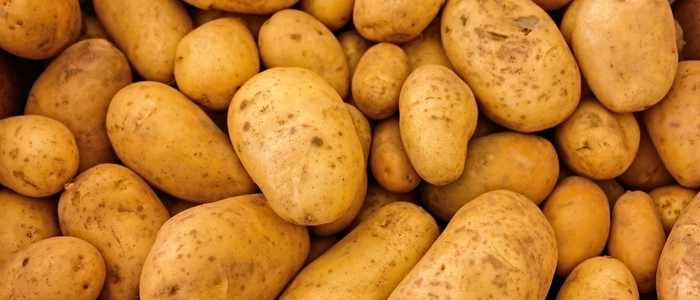
A popular cool-season crop that can be grown in the spring of Oklahoma is potatoes (Solanum tuberosum) of the nightshade family.
Why Grow Potatoes?
Potatoes grow well in Oklahoma’s fertile, well-drained, sandy loam soils.
Its climate is well-suited to growing them and will yield bountiful results.
Maintenance And Care
Potatoes can be planted about three inches deeper once the soil is moister.
Harvest the tubers as soon the plant leaves die. It is susceptible to cutworms, leafhoppers, Colorado potato beetles, and scabs.
Check the video for growing potatoes:
10. Corn

Sweet corn (Zea mays) of the Poaceae family is a warm-season crop that can adapt well to the climatic conditions of Oklahoma.
Why Grow Corn?
Sweet corn is productive and versatile and grows well in Oklahoma’s summer. It will give high yields and has a versatile cooking application.
Maintenance And Care
Sweet corn can be planted directly in the garden from March to April in full sun.
It can be harvested in 50 days. Corn earworm is a severe pest problem.
Check here for growing sweet corn:
11. Cabbage

Cabbage (Brassica oleracea) of the Cruciferae family is a cool-season leafy vegetable crop that can be grown successfully in the spring of Oklahoma.
Why Grow Cabbage?
Cabbage adapts well to the climatic conditions of Oklahoma. It is a low-maintenance crop that can withstand pests well.
It grows well in most soil types of these regions.
Maintenance And Care
Cabbage can be started from seeds or seedlings around mid-February to March and fall. It can be harvested 60-90 days early in the season.
It is troubled by cabbage worms and slugs.
Here is an easy planting guide for cabbage:
12. Radish

Beginner-friendly Root Vegetable
Another root vegetable that can be easily grown in Oklahoma is radish (Raphanus sativus). It belongs to the Cruciferae family.
Why Grow Radish?
Radish is a fast-growing vegetable that can be planted multiple times within a growing season. Also, it does not require more room space and is suitable for beginners.
Maintenance And Care
Radish can be planted in both springs as early as March and fall. It can be ready to harvest as early as fifteen days.
It is prone to cabbage worms, cabbage maggots, and flea beetles.
Check this video for growing radishes in Oklahoma:
13. Turnip

Another member that belongs to the cabbage family and thrives well in Oklahoma is the turnip (Brassica rapa).
Why Grow Turnip?
Turnip can be easily grown in Oklahoma weather conditions. It matures quickly and is used in various dishes for its versatility. Both greens and roots can be consumed.
Maintenance And Care
Turnip can be grown in both spring and fall. Sow directly about ¼ to ½ inch depth and may experience bolting due to extreme temperatures.
The typical problems faced are aphids, clubroot, downy mildew, and stinkbugs.
The turnip planting guide is covered here:
14. Garlic
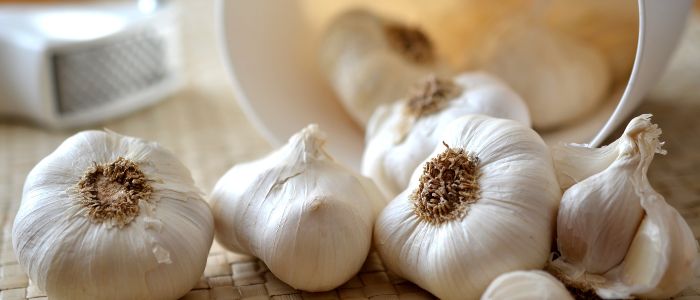
Garlic (Allium sativa) of the Liliaceae family is a popular fall crop grown in most home gardens of Oklahoma.
Why Grow Garlic?
Garlic is popularly grown in Oklahoma. It does not take up a lot of space and can be a valuable addition to any home garden. Also, it is easy to grow with good soil preparation.
Maintenance And Care
Garlic bulbs can be planted in early spring and fall but fall planting produces more flavourful and larger bulbs.
Harvest them when the tops begin turning yellow and falling over. It is susceptible to onion maggots, thrips, and white rot.
For growing garlic in Oklahoma, check:
15. Asparagus

Asparagus (Asparagus officinalis) of the Asparagaceae family is one of the perennials that can grow well in Oklahoma’s cooler areas.
Why Grow Asparagus?
Asparagus is a fast producer producing new spears every few days in the spring.
Also, it gives high returns on investment producing new spears every year.
Maintenance And Care
Asparagus crowns can be planted in early spring as soon as the soil can be worked and fall. Harvest the spears when they reach 8 to 10 inches in height after the second year.
Common problems include asparagus beetles, rust, cutworms, and slugs.
Check this video for growing asparagus:
What Is The Easiest Growing Vegetable In Oklahoma?
Lettuce is the easiest vegetable that can be grown in Oklahoma’s weather conditions.
Lettuce can be easily grown in both spring and fall in Oklahoma. It requires low maintenance, and the fresh leaves can be harvested throughout the growing season.
Also, wide varieties are compatible with being grown in containers.
The other vegetables that are well-suited and easily grown are chard, onion, and peas.
What Is The Best Time To Grow Vegetables In Oklahoma?
The best time to grow vegetables in Oklahoma is starting from early spring to fall.
The cool-season crops can be planted starting from mid of February till April.
Another planting can be done in the fall. It includes carrot, cauliflower, cabbage, Swiss chard, peas, potato, and turnip.
The warm-season crops can be planted end of April to June. It includes pepper, pumpkin, beans, cucumber, eggplant, okra, tomato, and squash.
FAQs
Oklahoma falls in the USDA hardiness zone of 7. You may plant cold-season vegetables as early as February and annuals from April. You may start seeds indoors before the first frost.
Yes, many herbs can be grown in Oklahoma. They are best grown in containers. Basil, thyme, and parsley can be easily planted. Sage is a perennial that can be grown in containers. Rosemary is a tender perennial that may overwinter.
The different types of summer squash that grow well in Oklahoma are straight yellow neck, yellow crookneck, zucchini, and scallop. Acorn, butternut, and spaghetti are a few winter squashes that can grow well.
Quick Recap: Top Vegetables to Grow In Oklahoma
Here is a quick recap of the top vegetables that can cater to Oklahoma’s climatic conditions.
| Vegetable | Why Grow |
|---|---|
| Lettuce | 1. Easy to grow in spring of Oklahoma 2. Many varieties are suitable to grow in containers. |
| Chard | 1. Easy to grow in both ground and containers 2. Both edible and ornamental |
| Onion | 1. Hardy vegetable that can thrive in Oklahoma 2. Short-day or intermediate types are preferable |
| Peas | 1. Easy to grow yielding multiple harvests 2. Frost-hardy that can withstand the cool weather of Oklahoma |
| Squash | 1. Less challenging but more rewarding 2. Many types in different colors, shapes, and sizes |
| Okra | 1. Consistent yield for an extended period of summer 2. Heat and drought tolerant |
| Tomatoes | 1. Easy to grow and yield throughout the season 2. Container-friendly and many varieties |
| Beans | 1. Few pest problems 2. Highly rewarding warm-season crop |
| Potatoes | 1. Suitable to grow in the climate and soil of Oklahoma 2. Gives bountiful yields |
| Sweet Corn | 1. Adapt well to the summer of Oklahoma 2. High yields with versatile cooking application |
| Cabbage | 1. Low pest problems 2. Cold hardy that can grow in most soil types |
| Radish | 1. Fast-maturing that is appropriate for beginners 2. Does not require more room space |
| Turnip | 1. Matures quickly 2. Cool-season crop with versatile uses |
| Garlic | 1. Requires less space 2. Important fall crop |
| Asparagus | 1. High returns on investment 2. Fast-grower and continuous yield over spring |
Bottom line
Hopefully, this guide has given you many great choices of vegetables.
I am interested to hear your suggestions and queries regarding growing vegetables in different regions of Oklahoma.
Do share the guide with your friends and family!