

Quick Answer: Best Vegetables to Grow in Utah
The different vegetables that flourish in Utah are root vegetables (radish, turnip, onions), leafy vegetables (lettuce, mustard greens, cabbage), warm-season vegetables (tomatoes, summer squash, beans, sweet corn, cucumbers), peas, leeks, Brussel sprouts, and asparagus. Most vegetables grow well in the frost-free growing season.
This guide will list some of the best vegetables that you can grow in your Utah garden.
Best Vegetables to Grow in Utah
Utah has a dry, semi-arid desert climate with four seasons and varied soil types.
It can be a challenging climate for some gardeners to have success in growing vegetables. But choosing the right vegetables to grow will help a successful harvest.
Next, let us discuss the list of vegetables quickly grown in Utah.
1. Radish

Easy-to-grow Vegetable
A root vegetable that grows in the sunny locations of Utah is radish (Raphanus sativus) which belongs to the Cruciferae family.
Why Grow Radish?
Radish is a cool-season plant suitable for the spring and fall of Utah. It can be ready to harvest in less than a month after planting.
It is not susceptible to many production problems as it grows rapidly.
Maintenance And Care
Radish seeds can be planted about ½ to one-inch depth in spring and again in early September for fall harvest.
The common issues are root maggots, flea beetles, and root rots.
For radish growing guide:
2. Tomatoes

A popular home garden vegetable that can be grown in Utah is tomatoes (Lycopersicon esculentum) of the nightshade family.
Why Grow Tomatoes?
Tomatoes are warm-season plants that can grow in the summer of Utah.
It comes in wide varieties. It is container friendly and versatile in the kitchen.
Maintenance And Care
Tomatoes can be transplanted when the soil is warmer about 60oF with a spacing of about 24-36 inches. It may take 60-90 days to harvest, depending on the variety.
Pay close attention to aphids, flea beetles, blight, and wilt diseases.
Here is a video on growing tomatoes:
3. Summer Squash

A warm-season vegetable that can flourish in the summer heat of Utah is squash (Cucurbita pepo) of the Cucurbitaceae family.
Why Grow Summer Squash?
Squash is an easy-to-grow vegetable that is highly rewarding and will give bountiful yields. Most varieties of summer squash do well in most regions of Utah.
Maintenance And Care
Squash varieties can be planted in mounds when soils are 65oF. It takes about 35-45 days to harvest.
Pick the squash when they are small as bigger squash may turn bitter. Watch out for squash bugs, vine borers, wilt, and mildew.
For summer squash growing guide, check:
4. Beans

Another highly rewarding vegetable in Utah’s weather is beans (Phaseolus vulgaris) of the Leguminosae family.
Why Grow Beans?
Green beans can be easy to grow with the help of trellises or wood poles. Many varieties of beans, including bush, pole, and dry beans will perform well in Utah.
It gives continuous yields throughout the growing season.
Maintenance And Care
Bush beans can be planted between March to July and can be ready to harvest in 65-90 days depending on the variety.
It is prone to Mexican bean beetle, leafhoppers, cutworms, and armyworms.
Check this video for growing beans:
5. Lettuce

Another fast-growing leafy vegetable that will grow in Utah is lettuce (Lactuca sativa) which belongs to the Asteraceae family.
Why Grow Lettuce?
Many varieties of lettuce, including romaine, oak leaf, buttercrunch, or iceberg thrive well in most regions of Utah.
It is easy to grow and produce a huge yield with little maintenance. Also, it is tolerant of most garden pests.
Maintenance And Care
Lettuce seeds can be planted about ¼ to ½ inch deep two to three weeks before the last frost date. It can be harvested when heads are firm.
It can be affected by aphids, slugs, and flea beetles.
The lettuce growing guide is covered:
6. Peas

Peas (Pisum sativum) of the Fabaceae family may thrive well in different regions of Utah.
Why Grow Peas?
Different types of peas, including snap peas and snow peas, grow well in Utah soil. It can be planted as soon as the soil is workable and in the fall.
It is easy to grow with little maintenance.
Maintenance And Care
Plant peas up to April in the warm areas and early May in the cooler areas of Utah. You may harvest snap peas when the pods are plump.
A few issues in these areas are aphids, weevils, enation mosaics, and armyworms.
Check here for planting peas:
7. Corn

Another popular vegetable that thrives well in Utah’s climatic conditions and soil types is sweet corn (Zea mays) of the Poaceae family.
Why Grow Corn?
Corn can be grown in a sunny spot, and most sweet corn varieties grow in Utah. It is a quick-growing crop that is productive.
Also, it has many cooking applications.
Maintenance And Care
Sweet corn can be planted every 10-14 days for a continuous harvest throughout the growing season. It has a maturity range of 60 to 90 days depending on the variety.
It is prone to corn earworms, smut, and wilt diseases.
Here is a video on growing sweet corn:
8. Mustard Greens
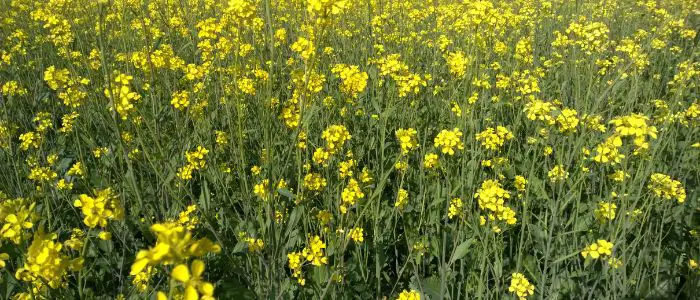
Mustard greens are a cool-season green suitable for growing in the sunny location and soils of Utah home gardens (Brassica juncea).
Why Grow Mustard Greens?
Mustard greens are nutritious greens that can be easily grown in the spring of Utah. It can be used as microgreens, garnishes, salad ingredients, and stir-fry.
Maintenance And Care
Mustard greens can be grown from seeds or transplants after the soil reaches 40oF leaving a space of about three inches.
It can be harvested as the leaves attain full size. Aphids, cabbage worms, slugs, and flea beetles can be a problem in these areas.
Check out this video for growing mustard greens:
9. Cucumbers

Another rewarding crop that can be easily grown in home gardens of Utah is cucumbers (Cucumis sativus) of the Cucurbitaceae family.
Why Grow Cucumbers?
One of my gardening favorites that are easy to grow in Utah’s summer is cucumber. Also, it gives high yields in a short time. It is versatile in the kitchen with many applications.
Maintenance And Care
Plant cucumber seeds about one-inch depth, 12-18 inches apart when the frost danger has passed. It may take 50-70 days depending on the variety.
It is prone to cucumber beetles, powdery mildew, and wilt diseases.
Check out this video on growing cucumbers at home:
10. Onions

A popular and tough vegetable that can be grown in the spring of Utah is onions (Allium cepa) of the Liliaceae family.
Why Grow Onions?
Onions, including Vidalia, Bermuda, and Long Red Florence, are popular garden vegetables in Utah. It is pretty tough and tolerant of most pests.
Maintenance And Care
Onions can be grown from seeds, bulbs, or transplants. Plant seeds about 0.5 to one-inch depth.
It may take about 90-120 days to harvest, depending on the variety. The common issues are thrips, onion maggots, and white rot.
Click this video for basic onion-planting technique:
11. Turnip

Turnips (Brassica rapa) of the Cruciferae family are cool-season crops that prefer Utah’s sunny location and sandy soils.
Why Grow Turnip?
Turnips are quick and easy to grow in Utah. It can be ready to harvest in as early as six to ten weeks. Also, it has a compact habit, and roots can be eaten raw, roasted, or cooked.
Maintenance And Care
Turnip can be planted between March and May at about ¼ to ½ inch depth. It can be harvested in 40-60 days.
Common issues are aphids, flea beetles, cabbage worms, and Alternaria leaf spots.
Check out this video to grow turnip:
12. Cabbage

Cabbage (Brassica oleracea var. capitata) is a cool-season crop that can grow in sunny locations and the well-drained soil of Utah.
Why Grow Cabbage?
Cabbage is a hardy vegetable that thrives well in the climatic conditions of Utah. It is a robust vegetable that is compact and hardy.
Maintenance And Care
Plant cabbage seeds about ¼ to ½ inch depth in the spring. Transplant the seedlings about 12-18 inches apart.
Harvest when the cabbage heads are firm and compact. It is highly susceptible to cabbage worms, loopers, Alternaria leaf spots, and tip burn.
Check out this video to grow cabbage:
13. Leeks
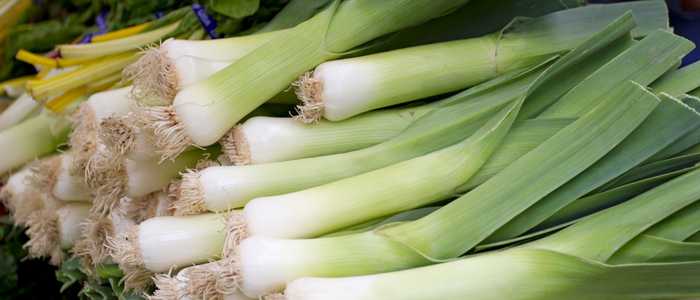
Another hardy cool-season vegetable that can grow well in the sunny areas of Utah is leeks (Allium ampeloprasum) of the Amaryllidaceae family.
Why Grow Leeks?
Leeks are a relative of onions that can flourish in most soil types of Utah. It can also be grown in containers and often planted near carrots to repel carrot flies.
Maintenance And Care
Leek seeds can be planted in late March or transplanted in April in a six-inch dibble hole. It has a slow to the moderate growth rate. It is susceptible to thrips, onion maggots, and wireworms.
For growing leeks, check out:
14. Brussel Sprouts
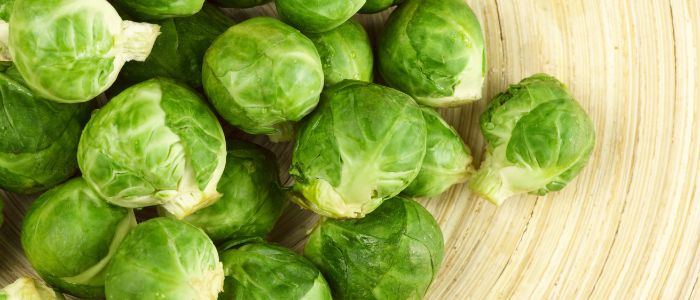
Brussel sprouts (Brassica oleracea var. gemmifera) are a cool-season crop that can grow well in the sunny spot of Utah.
Why Grow Brussel Sprouts?
Many varieties of Brussels sprouts thrive in Utah. It can be a rewarding crop with proper care and fertilization. It can be used in many dishes.
Maintenance And Care
Brussel sprouts can be planted between March to June at about ¼ to ½ inch depth and 12-18 inches apart. It takes about 90-100 days to mature.
A few problems affecting the plants are aphids, flea beetles, Alternaria leaf spots, and tip burn.
Here is a guide for growing Brussels sprouts:
15. Asparagus

Easy-to-grow Perennial In Utah
A perennial that can give you a high payoff and is suitable for Utah’s spring weather is asparagus (Asparagus officinalis) of the Asparagaceae family.
Why Grow Asparagus?
Asparagus is easy to grow and gives high returns on investment for at least 10 years. Newer varieties, including Jersey Giant and Jersey knight, grow well in Utah.
It is one of the early spring crops to be harvested.
Maintenance And Care
Asparagus crowns can be planted between March to May in Utah.
You may have to wait for two years to harvest. The common issues are asparagus beetles, aphids, and root rot diseases.
Check here for growing asparagus:
What Is The Easiest Growing Vegetable In Utah?
The easiest-growing vegetable in Utah is the radish.
Radish can be easily grown in Utah’s climatic conditions and soil types. It can mature quickly and be grown multiple times during the growing season.
Also, it can be grown between vegetables and helps deter pests from other vegetables.
The other vegetables that can be easily grown are tomatoes, squash, and beans.
What Is The Best Time To Grow Vegetables In Utah?
The best time to grow vegetables in Utah is the frost-free growing season from spring to fall.
Several hardy vegetables, including asparagus, onions, broccoli, peas, spinach, and cabbage can be planted as early as mid-March till May.
A few vegetables, including beets, lettuce, potatoes, carrots, and chard can be started a couple of weeks later.
The second planting can be done from July to mid-August.
The warm-season vegetable, including cucumbers, squash, beans, tomatoes, peppers, and eggplants can be started around the middle of May to early June.
FAQs
A few perennial crops that can be grown in Utah are watercress, chives, asparagus, and rhubarb. These are easy to grow, versatile, and will come back every year for harvest. Blackberries and raspberries can also be planted in soil with good drainage.
The cool-season crops, including artichoke, arugula, beets, broccoli, cabbage, cauliflower, celery, greens, kale, and fava beans grow well between August and April. The warm-season crops, including amaranth, cucumber, eggplant, beans, okra, and peppers can also be grown in Southern Utah.
The gardening zones of Utah include a frost of 4a in the north to 9a in the southwest. You may choose vegetables that are compatible with these hardness zones.
Quick Recap: Top Vegetables to Grow In Utah
Here is a quick recap of the top vegetables that can grow well in Utah’s climatic conditions.
| Vegetable | Why Grow |
|---|---|
| Radish | 1. Easy to grow and matures quickly 2. Thrives well in the cool weather of Utah |
| Tomatoes | 1. Warm-season crops that can grow in the summer heat 2. Versatile, container-friendly, and multiple varieties |
| Summer Squash | 1. Warm-season vegetables suitable for Utah’s weather 2. Fast-grower with bountiful yields |
| Beans | 1. Highly rewarding crop with multiple harvests 2. Many varieties suitable for Utah |
| Lettuce | 1. Easy to grow, and yields a huge harvest throughout the growing season 2. Less maintenance and tolerant to pests |
| Peas | 1. Can be started as soon as the soil is workable in spring 2. Many varieties suitable for Utah weather |
| Corn | 1. Popular in the kitchen with many applications 2. Fast grower and highly productive |
| Mustard greens | 1. Suitable for many recipes due to its pungent flavor 2. Apt for climatic conditions and soil types of Utah |
| Cucumbers | 1. High yields in a short time 2. Versatile in the kitchen and container-friendly |
| Onion | 1. Resistant to most pests 2. Popular and easy to grow in the spring of Utah |
| Turnip | 1. Fast grower with a compact growth habit 2. Ready to harvest in as early as six to ten weeks |
| Cabbage | 1. A robust vegetable that is compact and easy to grow 2. Hardy and thrives in cool weather |
| Leeks | 1. Container-friendly hardy vegetable 2. Companion plant for carrots to deter carrot flies |
| Brussel sprouts | 1. Cool-season crop that thrives well in Utah 2. Long growing season and is versatile in the kitchen |
| Asparagus | 1. Rewarding perennial suitable for spring of Utah 2. High returns on investment |